Could an accessory dwelling unit help you house family, create rental income, or boost resale value in Sunnyside? With smaller urban lots and alley access, many homes in this neighborhood are well positioned for smart ADU designs if you plan ahead. In this guide, you’ll learn what an ADU is, the layouts that work on Sunnyside-style lots, the Denver rules to know, and how to budget and finance your project. You’ll also get a practical checklist to start moving forward with confidence. Let’s dive in.
ADU basics in plain English
An accessory dwelling unit is a smaller, independent living space on the same lot as your main home. It includes a kitchen or kitchenette, bathroom, sleeping area, and its own entrance. Common forms include a detached backyard cottage, an attached addition, an above-garage unit, a garage or basement conversion, and a smaller interior “junior ADU.”
People use ADUs for long-term rental income, multi-generational living, or flexible spaces like a studio or office with separate access. Some owners explore short-term rentals, but that use depends on local rules and licensing. If you are planning to downsize later, an ADU can also help you age in place.
Sunnyside lot realities
Sunnyside is an older, central Denver neighborhood where lots tend to be modest in size. Many blocks have alley access, which makes detached cottages and over-garage units more feasible without impacting your front curb appeal. On tighter lots, garage or basement conversions often offer the best cost-benefit without major site work.
Think tradeoffs. Detached ADUs usually provide more privacy and stronger rental separation, but they cost more to build. Conversions are budget-friendlier, though they may cap rent potential if the space is small or lacks natural light.
Layouts that work here
Garage conversion
- Pros: Lower cost than new construction, minimal site disturbance, uses existing structure.
- Considerations: Check foundation, insulation, floor height, and utilities. Confirm whether the existing dimensions support a comfortable studio or one-bedroom.
- Typical size: About 200–500 sq ft.
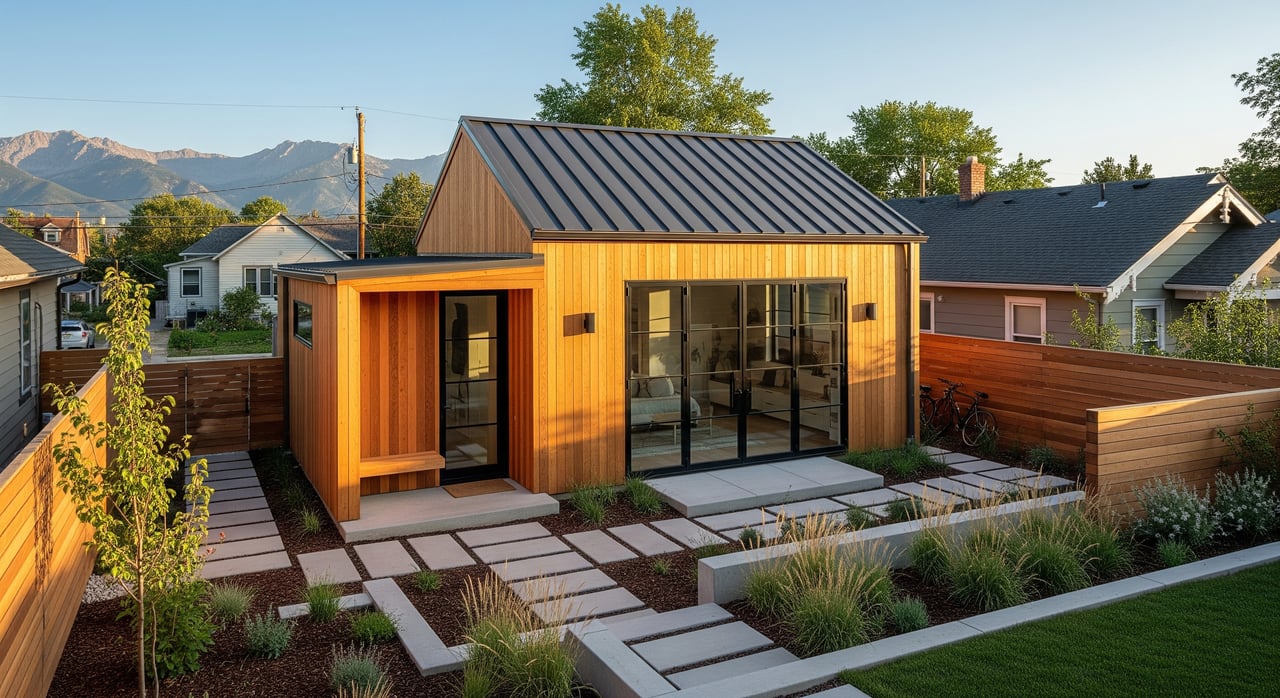
Detached backyard cottage
- Pros: Strong privacy and rent separation; preserves the main house layout.
- Considerations: Design for setbacks, height, stormwater, and neighbor privacy. Above-garage cottages can keep more yard area.
- Typical size: About 300–900 sq ft.
Basement apartment
- Pros: Efficient use of existing space, usually cheaper than a new build.
- Considerations: Egress windows or doors, ceiling height, moisture and ventilation, and a separate entrance if required.
- Typical size: About 400–800 sq ft.
Attached rear or side addition
- Pros: Integrates with the main structure; may allow a bit more area.
- Considerations: Ties into existing systems and can reduce backyard space.
Junior ADU inside the home
- Pros: Minimal site impact and often a quicker path to permit.
- Considerations: Smaller size and limited amenities; may share utilities and systems with the main house.
Denver rules overview
Before you sketch a floor plan, confirm what the city allows for your specific property. Municipal rules can change, so verify current standards directly with Denver staff.
Key items to check:
- Zoning eligibility and primary use requirements.
- Maximum floor area and height for your zone.
- Setbacks and lot coverage caps.
- Parking requirements, which some cities have relaxed for ADUs.
- Utility connections, meter needs, and capacity for electrical, plumbing, and mechanical.
- Full code compliance for building, mechanical, plumbing, and electrical, including fire separation, egress, insulation, and smoke/CO detectors.
- Rental licensing rules for long-term tenants and short-term rentals, including any owner-occupancy or registration requirements.
- Historic district approvals or HOA covenants that may add design review.
- Potential impact or tap fees for water/sewer.
Typical timelines vary widely. Expect a zoning check, design and plans, plan review and permits, then construction. Minor conversions tend to move faster; detached new builds take longer. Ask Denver permitting for current review times and plan lead time with your architect and contractor.
Costs and financing
Conversion projects like basements or garages are usually the lower-cost path, often ranging from tens of thousands into the low six figures depending on structural changes, utilities, and finishes. Detached backyard cottages often land in the low to mid six figures in urban markets. Local labor, site conditions, and code requirements can shift numbers, so get multiple estimates from Denver-experienced contractors.
Common ways to pay for an ADU include:
- Cash, home equity loan or HELOC, or a cash-out refinance.
- Renovation or construction loans through conventional lenders or local banks.
- Personal loans or private investors.
- Potential municipal or state incentives. Check Colorado and Denver programs for current options.
Lenders may handle ADU rental income differently in underwriting. Confirm policies early so your financing plan matches your timeline and goals.
Taxes and insurance
Adding an ADU usually increases assessed value and property taxes because you are adding livable space. Rental income is taxable, and you should track expenses and ask a tax professional about eligible deductions.
Notify your insurer before you rent an ADU. You may need a landlord or rental endorsement, and short-term rentals often require extra liability coverage and city compliance. Clarify which structures and occupants are covered under your policy.
Value and rental strategy
An ADU can improve marketability and allow you to capture rental income, which some buyers prize. The value boost depends on unit quality, neighborhood demand, and the local rental market. For investors, build a realistic pro forma with rent comps, operating expenses, insurance, taxes, maintenance, management, and expected vacancy.
If you plan to rent short term, make the licensing timeline part of your project plan. If you plan long-term housing for family, design for accessibility and durability so the space works well over time.
Checklist to start strong
Use this quick path to reduce surprises:
- Verify zoning for the exact address.
- Measure the lot, check setbacks, and confirm alley access.
- Review HOA covenants or historic rules, if any apply.
- Confirm parking and, if relevant, short-term rental requirements.
- Order a site survey and locate utilities.
- Consult an architect and at least two contractors for rough scope and costs.
- Speak with Denver permitting to confirm required plans and permits.
- Secure pre-approval or finalize your financing plan, including underwriting rules for ADU income.
- Talk with your insurance agent about coverage for rental and a separate dwelling.
- Draft a simple pro forma for rents, expenses, taxes, and returns.
Avoid common missteps
- Skipping zoning verification before design.
- Underestimating egress, ceiling height, and moisture control in basements.
- Forgetting privacy, light, and sound separation in garage conversions.
- Ignoring tap fees, utility capacity, or meter needs until late in the process.
- Assuming short-term rentals are allowed without checking licensing and registration.
How I can help
If you are buying in Sunnyside, I can help you evaluate lots, alley access, and likely ADU paths before you make an offer. If you already own, I can connect you with local architects, contractors, lenders, and property managers so you can compare strategies and numbers. I also advise on long-term and short-term rental considerations, resale implications, and how to position your home once the ADU is complete.
¿Prefieres español? Con gusto te ayudo a evaluar opciones de ADU, financiamiento y alquiler para tu vivienda en Denver.
Ready to talk through your ADU plan or a potential purchase? Schedule a Free Denver Market Consultation with Joaquin Avila to map your next steps with a clear, local strategy.
FAQs
Can I build an ADU in Sunnyside under Denver rules?
- Many residential properties can be eligible, but it depends on zoning, lot size, and existing structures. Confirm with Denver zoning staff for your specific address.
How big and tall can a Denver ADU be?
- Size and height limits vary by zone and structure type. Check Denver’s ADU guidance or zoning code for numeric standards that apply to your property.
Do ADUs in Denver require extra parking?
- Parking requirements depend on your zone and current city policy. Some places relax parking for ADUs, but you should confirm the rule for your parcel.
Can I operate a short-term rental in a Sunnyside ADU?
- Possibly, but Denver requires licensing and has specific short-term rental rules. Verify owner-occupancy and registration requirements with the city before you build your plan.
Will an ADU raise my Denver property taxes?
- Likely yes. Adding living space typically increases assessed value, which can raise taxes. Contact the Denver Assessor’s Office for property-specific guidance.
How long do ADU permits and construction take in Denver?
- Timelines vary. Expect a zoning check, design, plan review and permits, then construction. Conversions can be faster; detached builds usually take longer.
What rental income can a Sunnyside ADU earn?
- It depends on unit size, finishes, and local rent levels. Compare recent rent comps in Sunnyside and nearby neighborhoods or consult a property manager for current figures.