If you are thinking about buying near City Park, you are probably asking a smart long-term question: will this location still work for your life and hold its appeal years from now? That matters in a central Denver neighborhood where lifestyle, daily convenience, and property decisions all intersect. The good news is that City Park offers a rare mix of lasting public amenity, strong neighborhood access, and real everyday usability. Let’s dive in.
Why City Park stands out
City Park is not just another neighborhood green space. Denver’s master plan describes it as a premier regional park destination, the neighborhood and community park for eight Denver neighborhoods, and a crown jewel in the city’s parkway system.
That scale is part of what gives the area long-term appeal. City Park and the golf course together encompass 456 acres, and the park itself includes more than 13 miles of trails, 10 sports fields, two playgrounds, and 24 courts. For a buyer planning to stay put, that kind of established amenity is hard to replace.
The park also has historic weight. Denver notes its historical and architectural significance, including National Register of Historic Places recognition. That adds to the area’s identity and helps explain why City Park feels like a lasting part of Denver’s urban fabric rather than a passing trend.
Location supports daily life
City Park sits about two miles east of downtown Denver, which gives you a central position without being in the middle of the downtown core. The East Central Area Plan identifies it as one of the area’s largest and most iconic parks, and Park Avenue helps connect the area to downtown.
That can translate into a practical day-to-day benefit. If you want access to central Denver destinations while still living near a major park, City Park offers that blend better than many neighborhoods can.
Denver’s planning documents also point to strong connections through Colorado Boulevard, bus service, bike routes, pedestrian routes, and City Park Esplanade. If you value options in how you move around, that connectivity adds flexibility over the long run.
Lifestyle value goes beyond the map
A good location is not only about where it sits. It is also about how you will actually use it on a normal Tuesday, a busy Saturday, or a quiet evening after work.
Denver’s master plan describes City Park as a place for tranquil walks, play, biking, and outings to the Denver Zoo and Denver Museum of Nature and Science. Those destinations have been part of City Park since the early 1900s, and together they attract more than 3 million visitors annually.
That matters because the area offers more than scenery. You get a park-forward setting that supports both everyday routines and weekend plans. For many buyers, that kind of built-in lifestyle value is a major reason to think long term.
The trade-off: access versus activity
Buying close to a major destination usually comes with trade-offs, and City Park is no exception. Because of the park’s size, visitor draw, and major street access, homes closest to the park may experience more traffic, more visitor activity, and more event-day parking pressure than homes on quieter blocks farther away.
That does not make one choice better than the other. It simply means your ideal location depends on what you value most.
If you want to step outside and be at the park within minutes, you may be comfortable with more activity nearby. If you prefer a calmer feel and easier street parking, a few blocks of distance may give you a better long-term fit.
What helps a home age well
When you buy for the long run, the floor plan matters almost as much as the location. A home that works for you today should also be able to adapt if your routines, work setup, or household needs change later.
Recent buyer trend reporting cited in the research shows growing interest in flexible, multi-use spaces and a rethinking of overly open layouts. Buyers are putting more weight on privacy, work-from-home function, and spaces that can shift with different life stages.
In practical terms, that means some features tend to age better than others.
Look for flexible rooms
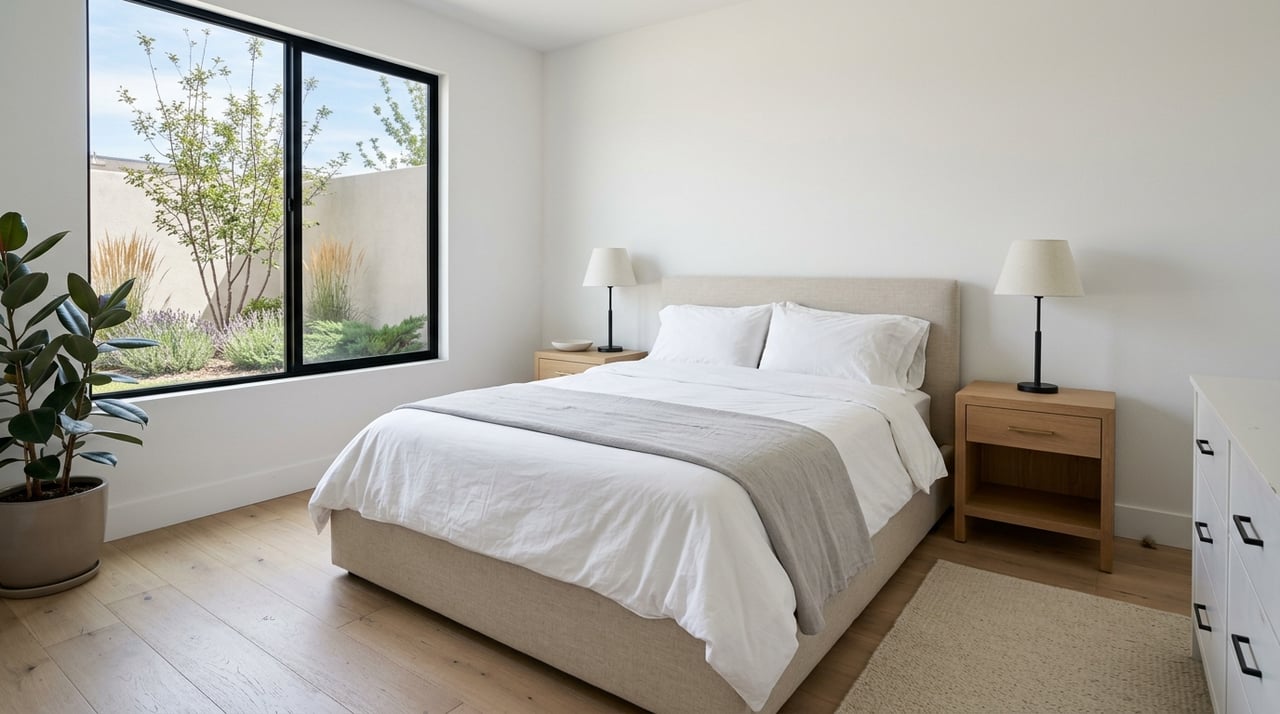
A bonus room, den, finished basement area, or secondary bedroom can give you options over time. That space might serve as a home office now, then later become a guest room, hobby space, or another functional use.
The exact use matters less than the flexibility. Homes with adaptable rooms often make more sense for long-term ownership because they can absorb change without forcing a move.
Be cautious with overly open layouts
Open living spaces can still feel bright and social, but an extremely open layout is not always the most durable option. If every activity has to happen in one large shared room, privacy and quiet can become harder to manage.
A layout with some separation between living, work, and rest zones may serve you better over time. That is especially true if you expect your needs to evolve.
Prioritize usable outdoor space
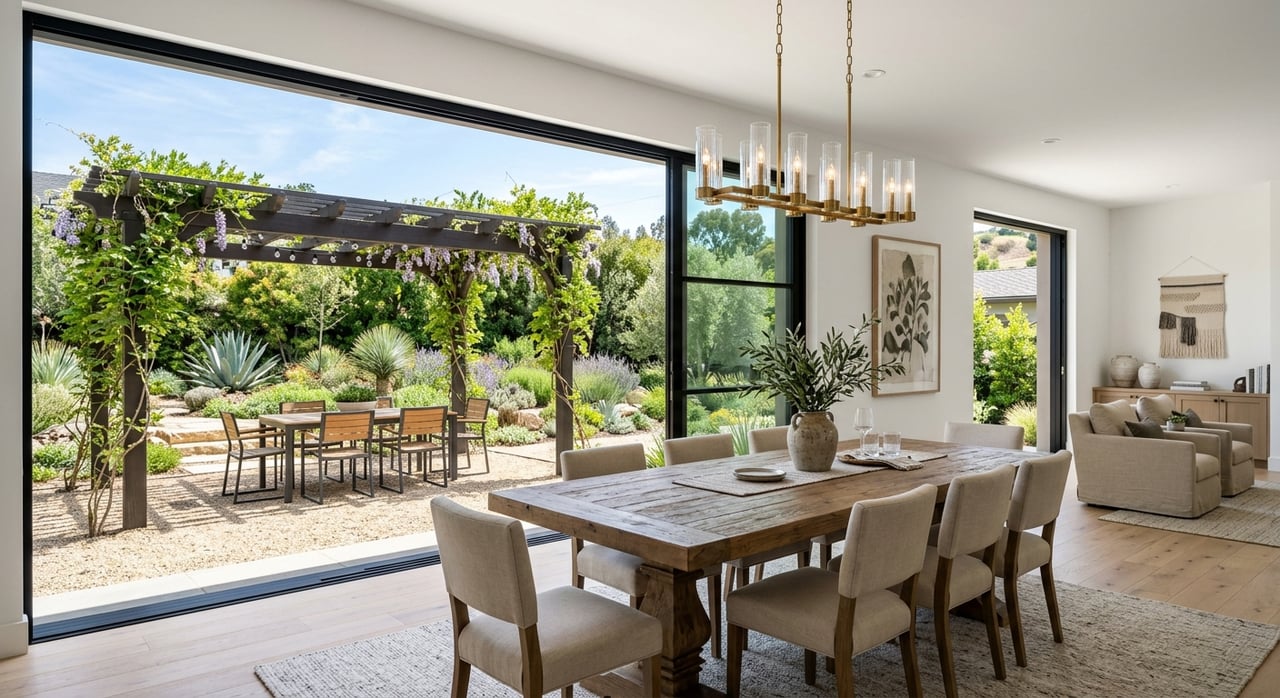
Outdoor space is another feature that tends to hold its value in everyday life. Research cited in the report frames yards and outdoor areas as functional living spaces for dining, relaxing, gardening, cooking, and entertaining.
Near City Park, that benefit can be even more meaningful. A deck, balcony, patio, or manageable yard gives you your own outdoor retreat while still letting you enjoy the larger park nearby.
Think about storage and parking
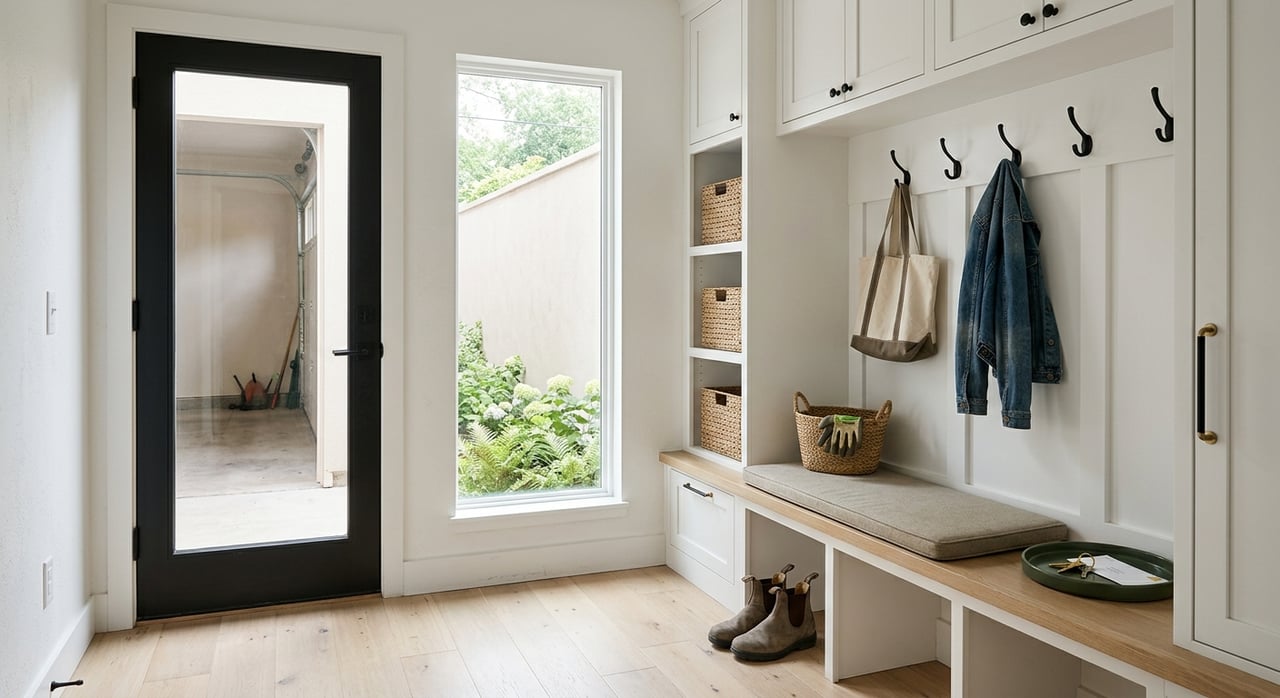
In a central, park-adjacent area, practical features can make a big difference. Bike storage, gear storage, off-street parking, or simply enough space for seasonal items can improve how a home functions.
That may sound less exciting than finishes or design details, but it matters. If curb space gets tight or your lifestyle includes bikes, strollers, sports gear, or outdoor equipment, these features can improve both daily convenience and future resale appeal.
Why City Park can support long-term value
A strong long-term case for buying near City Park is not about guessing short-term price jumps. It is about the staying power of the location itself.
City Park benefits from enduring public amenity, broad city recognition, and ongoing public planning attention. Denver’s current parks strategy emphasizes easy access to parks and open space, well-maintained public spaces, sustainability, and neighborhood connections.
That kind of public stewardship matters. It suggests that the park system remains a long-term civic priority, which can support the appeal of nearby homes over a multi-year ownership horizon.
There is also the question of replaceability. A large, historic, centrally located park with cultural institutions, recreation, and regional recognition is not something a city can easily recreate elsewhere. That makes the area distinct in a way that many buyers find meaningful.
Due diligence matters near City Park
Even in a high-appeal location, smart buyers should stay focused on property-level details. A great block and strong lifestyle do not remove the need for careful homework.
Denver notes that landmark-designated properties and historic districts can require extra review for exterior changes and demolition. The city also publishes rules related to trees, parkways, and view planes that can affect how a property is modified or expanded.
If you are buying with future renovation plans in mind, verify what applies to the specific parcel before assuming a project will be simple. In many cases, the most marketable home is not just well located. It is also a home that is straightforward to maintain and adapt within local rules.
How to choose the right block
If you are serious about City Park, it helps to compare blocks through the lens of your actual routine. The right choice is usually less about chasing the closest address to the park and more about finding the balance that fits your life.
Ask yourself questions like:
- Do you want direct park access more than quieter surroundings?
- How important is easy parking for your household and guests?
- Would bike storage or a garage noticeably improve daily life?
- Do you need a flexible room for work, guests, or hobbies?
- Are you counting on future exterior changes or an addition?
Those answers can help narrow your search in a way that feels practical, not theoretical.
A smart long-term mindset
Buying near City Park can make a lot of sense if you are thinking beyond the next year or two. The area combines a major public amenity, central access, historic identity, and a lifestyle that many buyers continue to value.
The key is to match the home and the block to your real priorities. When you balance location, layout, storage, outdoor function, and property-specific due diligence, you put yourself in a better position to enjoy the home now and protect its appeal later.
If you want help weighing City Park trade-offs, comparing blocks, or figuring out which home features are most likely to serve you well over time, Joaquin Avila can help you make a calm, informed decision.
FAQs
Is buying closest to City Park always the best choice?
- Not necessarily. Homes closest to the park may offer the fastest access, but they can also come with more traffic, visitor activity, and parking pressure than quieter blocks farther away.
What home features matter most near City Park for long-term value?
- Flexible rooms, usable outdoor space, and practical storage or parking tend to age well because they support changing needs and everyday function.
Why does City Park support long-term lifestyle appeal in Denver?
- City Park combines central access, major recreational space, historic significance, and year-round destinations like the zoo and museum, which helps make it a lasting draw.
Should you assume renovation plans are simple near City Park homes?
- No. In Denver, landmark status, historic district rules, tree regulations, parkway rules, and view plane considerations can affect what changes are allowed on a property.
What makes City Park different from a typical neighborhood park?
- Denver identifies City Park as a premier regional park destination, and its scale, trail network, recreation areas, and cultural institutions give it a broader citywide role.
Is City Park a good fit for buyers planning to stay several years?
- It can be a strong fit if you want a central Denver location with lasting park access, daily recreation, and a home that supports long-term flexibility and livability.