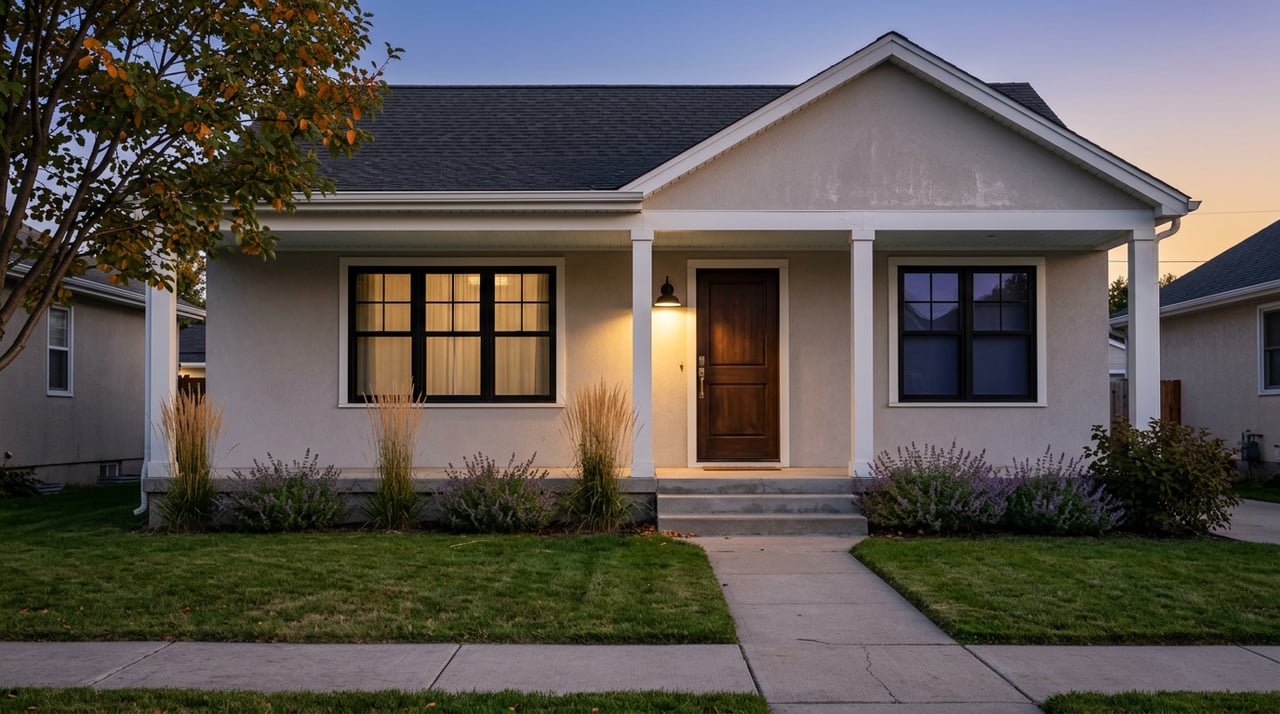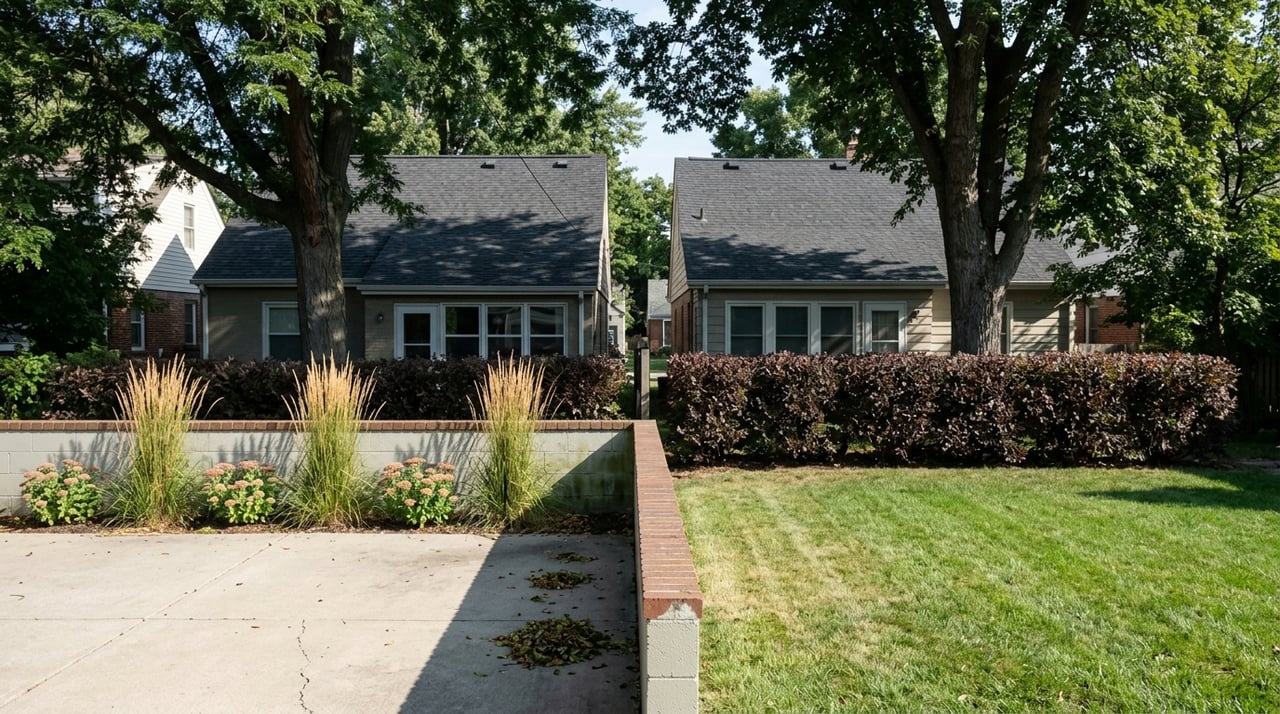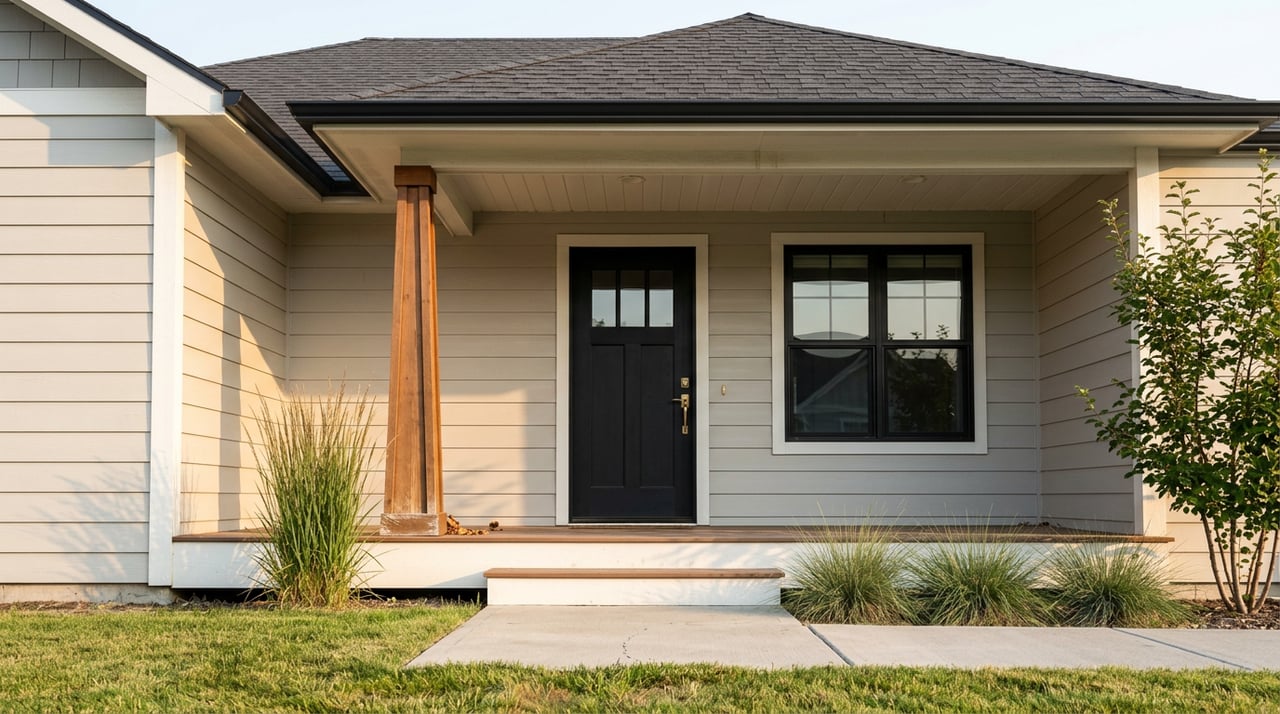
What if the line item on your inspection report that worries you the least is the one your lender's underwriter cares about most?
That is the trap in Sunnyside right now. A buyer walks a 1920s bungalow, falls for the porch, gets an inspection back with a note about the electrical panel, shrugs, and moves on to the roof and the furnace instead. Three weeks later, the insurance quote comes back declined or loaded with a surcharge, the lender needs proof of coverage to fund the loan, and the closing date starts to wobble over a panel that never showed up as a safety concern on the walkthrough. The repair estimate was never the real number. The real number was whether anyone would insure the house at all.
Sunnyside's charm and its inspection headaches come from the same source: a narrow building window. The neighborhood's first real building boom hit in the 1920s, when Denver added more than 13,000 single-family homes citywide, its third-highest count decade on record, and Sunnyside was named alongside West Highland, Berkeley, and Regis as one of the areas still growing fast while inner Highland approached build-out. A second wave filled in blocks through the postwar years. That tight window is why the neighborhood reads as a consistent mix of Craftsman bungalows, Tudors, and mid-century ranches, and it is also why a specific, predictable list of systems keeps turning up on inspection reports decade after decade.
The Three Systems That Keep Showing Up
None of these are unique to Sunnyside. What is unique is how reliably a home from this build era carries at least one of them, and how each one has quietly become a financing question rather than just a repair line.
| System | Why it shows up here | What it actually costs to fix |
|---|---|---|
| Knob-and-tube wiring or an early Federal Pacific Stab-Lok / Zinsco panel | Common in homes wired originally in the 1920s-1940s or upgraded mid-century with panels that were standard at the time | Panel replacement to a modern 200-amp service runs roughly $2,500 to $4,000 |
| Galvanized steel supply lines | Standard plumbing practice through much of the 20th century, often partially replaced during a single kitchen or bath remodel | Full repipe to PEX or copper runs roughly $4,000 to $8,000 |
| Orangeburg sewer lateral | A bituminous fiber pipe installed broadly from the 1940s through the 1970s as neighborhoods extended service lines | A sewer scope runs roughly $150 to $500 and can flag a problem before it becomes a $7,000 to $15,000 replacement |
The pattern that matters is not any single system. It is that a 1920s bungalow can carry all three at once, layered in during different decades by different owners doing partial work, and a standard walkthrough inspection was never built to catch the full picture underground and behind the walls.
The Insurance Wrinkle Nobody Mentions at the Showing
Here is the part that changes the math. Federal Pacific Electric Stab-Lok panels and Zinsco panels have documented breaker failure rates that federal safety regulators have flagged for years, and Colorado insurers have started responding by declining coverage outright or attaching surcharges to properties that still have them installed. Knob-and-tube wiring runs into the same wall from a different angle: insurance carriers are increasingly requiring it be replaced before they will issue or renew a policy, regardless of whether the wiring is currently causing any problem.
That matters because a mortgage does not fund without proof of homeowners insurance in place. A buyer who treats a panel note as a someday project can find out during the loan process that the someday project is due now, before the lender will release funds, on a timeline that does not care about your movers' schedule. This is the piece that a generic inspection checklist misses entirely: the question is not just what does this cost to fix, it is can I close on this house without fixing it first.
What a Sewer Scope Is Actually Buying You
A standard home inspection does not include a look at the sewer lateral, the pipe running from the house to the city main. That gap matters more in a neighborhood built inside the Orangeburg era than almost anywhere else, because that pipe material deteriorates in a specific, visible way: it ovals under soil pressure, sags into low spots that collect waste, and lets tree roots in through joints that were never watertight to begin with. Denver's mature street trees are part of the story here too, since aggressive root systems seek out any moisture source underground, including a fifty-year-old pipe joint.
A scope is a camera run down that line, and it typically costs a few hundred dollars against a repair that can run into the thousands if the line has already collapsed. Some inspectors can even cross-reference the original tap record to confirm installation date and material, which turns a guess into a documented fact you can put in front of a seller. Skipping it to save the fee is the single most expensive shortcut a buyer in this neighborhood can take, because it trades a small known cost for a large unknown one.
The Leverage Is Structural, Not Seasonal
Here is where the timing gets interesting. Insurance underwriting on exactly the systems Sunnyside's building era produced has gotten stricter, not looser, and that shift has nothing to do with whether the market favors buyers or sellers in a given month. It is a permanent change in how carriers price risk on older panels and wiring, and it shows up the same way whether homes are selling in five days or fifty.
Colorado's standard contract gives buyers an Inspection Objection Deadline, typically in the range of a week to ten days after the contract is signed, followed by a short resolution window where the seller can agree to a repair, offer a credit, or decline. If no agreement is reached by that resolution deadline, the buyer can terminate and recover the earnest money. Sellers are not legally obligated to fix anything an inspector finds. The leverage comes entirely from the buyer's right to walk, which is exactly why documentation matters more than the inspection report alone.
A buyer who shows up to that negotiation with an actual insurance quote in hand, not just an inspector's note that a panel looks old, is negotiating from a different position. That quote turns a vague concern into a specific dollar figure the seller has to respond to.
Before You Waive the Inspection Objection
A short list worth working through before that resolution deadline passes:
- Ask your inspector directly to identify the panel brand and confirm whether any knob-and-tube wiring remains active anywhere in the house.
- Get an actual insurance quote during your inspection window, not after, so you know whether coverage is a real obstacle before your objection deadline expires.
- Order a sewer scope on any home built before the 1970s, even if the seller's disclosure does not flag drainage issues, since Colorado's Seller's Property Disclosure only requires reporting what the seller actually knows.
- Ask about permit history for any past electrical or plumbing work. Denver's Community Planning and Development department handles retroactive permitting for work discovered without one, and that process can add time to a closing if it surfaces late.
- When you do get to the negotiating table, ask for a credit rather than a seller-completed repair on anything involving the panel or the sewer line. A credit lets you choose your own licensed contractor and control the timeline instead of waiting on someone else's schedule.
A Few Questions Worth Asking Early
Does this mean every Sunnyside home has one of these problems? No. Plenty of homes have been fully repiped, rewired, or connected to modern PVC sewer lines by a previous owner. The point is that the neighborhood's build era makes these systems common enough that you should never assume they are absent just because the seller's disclosure does not mention them.
What if the seller genuinely didn't know about the panel or the pipe material? Colorado's disclosure form only requires a seller's current actual knowledge, so a seller who never had the panel or sewer line inspected is not concealing anything by staying silent. That is exactly why the inspection period exists and why ordering your own sewer scope matters regardless of what the disclosure says.
Is a credit really better than having the seller do the repair? In most cases, yes, specifically because it puts you in charge of hiring a licensed electrician or plumber on your own timeline rather than waiting on a seller's contractor before your insurance binder can be finalized.
If you are weighing a Sunnyside bungalow right now and want to know what a specific inspection finding actually means for your closing timeline, that is exactly the kind of question worth working through before you write an offer, not after. Joaquin Avila walks Denver buyers and sellers through this every week. Schedule a free Denver market consultation and bring your questions about panels, pipes, and permits along with you.