Wondering why some Sunnyside homes get serious interest fast while others sit? In a neighborhood with older homes, post-war houses, and newer infill all sharing the same streets, pricing is rarely as simple as picking a high number and hoping buyers agree. If you want strong offers, you need a price that matches the market, your home’s condition, and the competition around you. Let’s dive in.
Why pricing matters in Sunnyside
Sunnyside has a long history that dates back to 1872, and that history still shows up in today’s housing stock. According to the Denver Public Library’s neighborhood history guide, the area grew from small farms and orchards into a neighborhood with a wide mix of home styles and ages. That variety is one reason pricing in Sunnyside requires a careful, property-specific strategy.
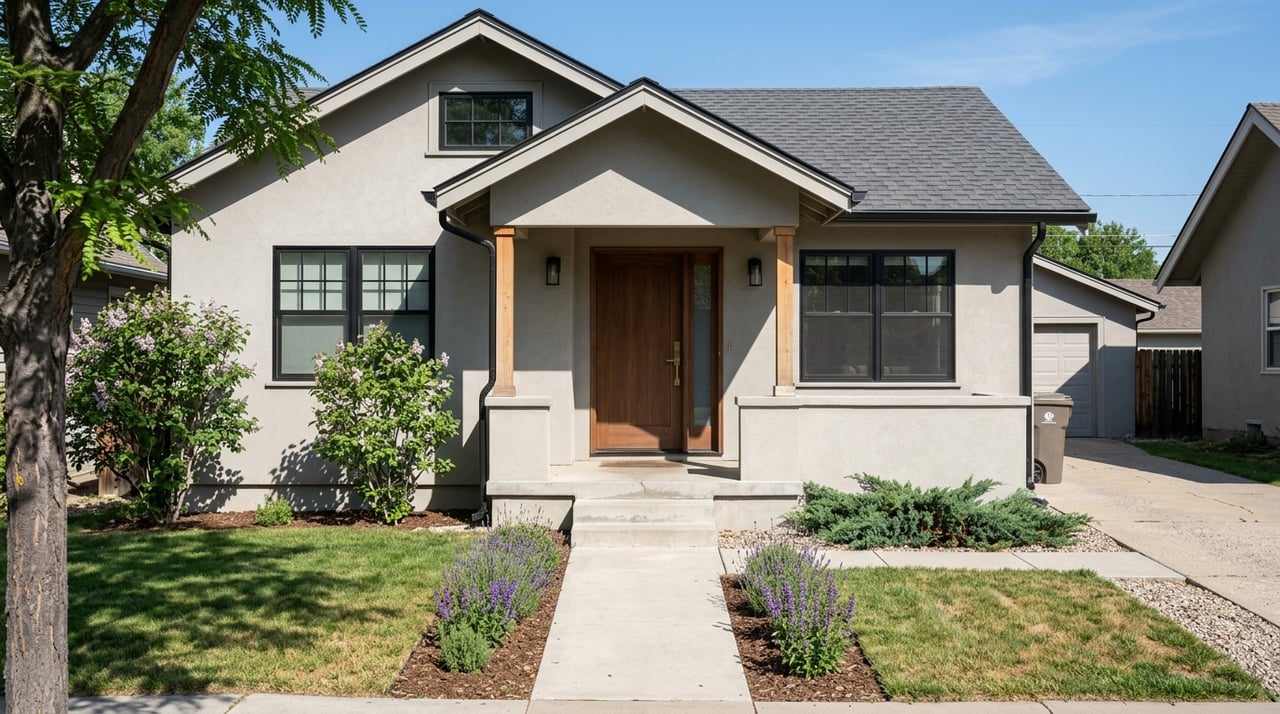
A renovated bungalow, a basic post-war home, and a newer infill property may all appeal to different buyers and fall into different price ranges. Even if they are close to each other geographically, buyers will compare layout, finish level, parking, lot size, and condition before deciding what feels worth the asking price. That means your list price needs to reflect what your home actually offers in today’s market.
Sunnyside market data is mixed
If you have been checking online housing sites, you may have noticed that the story is not perfectly consistent. Realtor.com’s January 2026 Sunnyside market overview reported a median home price of $737,450, 62 homes for sale, a 99% sale-to-list ratio, and a median of 70 days on market, while labeling Sunnyside a buyer’s market.
At the same time, Redfin’s February 2026 Sunnyside housing market page showed a median sale price of $852,500, 26 homes sold, a median of 26 days on market, a 98.1% sale-to-list ratio, and 11.5% of homes selling above list price. Countywide, the Denver County January 2026 market update reported 2.0 months of inventory, a median sales price of $630,000, 97.4% of list price received, and 69 days on market.
What should you take from that? The safest conclusion is not to force Sunnyside into a simple buyer’s-market or seller’s-market label. Instead, it is better to see the neighborhood as active but price-sensitive. Buyers are still making moves, but they are paying attention, comparing options, and reacting quickly when a home feels overpriced.
Start with a supported pricing range
A strong list price usually starts with comparable sales, often called comps. The National Association of Realtors explains that comps are recently sold similar properties in the same area, and active or under-contract listings can also help shape a comparative market analysis.
Fannie Mae’s home selling guidance also points sellers toward neighborhood sales and says comparable properties from the same market area should be used whenever possible. It notes that at least three closed comparable sales should support the sales comparison approach.
For a Sunnyside seller, that usually means your first comp set should stay in Sunnyside or nearby Northwest Denver when necessary. The best comps are homes that closely match your:
- Property type
- Square footage
- Lot size
- Layout
- Parking
- Level of finish
- Overall condition
This matters because buyers do not compare every home equally. They usually compare homes that feel interchangeable from their point of view.
Condition can change the price band
One of the biggest pricing mistakes in Sunnyside is assuming every update adds value dollar for dollar. In reality, buyers may reward some improvements more than others, and the market decides how much those upgrades matter.
According to the National Association of Realtors, pricing should account for your home’s condition, upgrades, needed repairs, and any seller concessions. Fannie Mae also notes that concessions and market changes should be adjusted based on how the market actually responds, not by assuming you will automatically recoup every dollar spent.
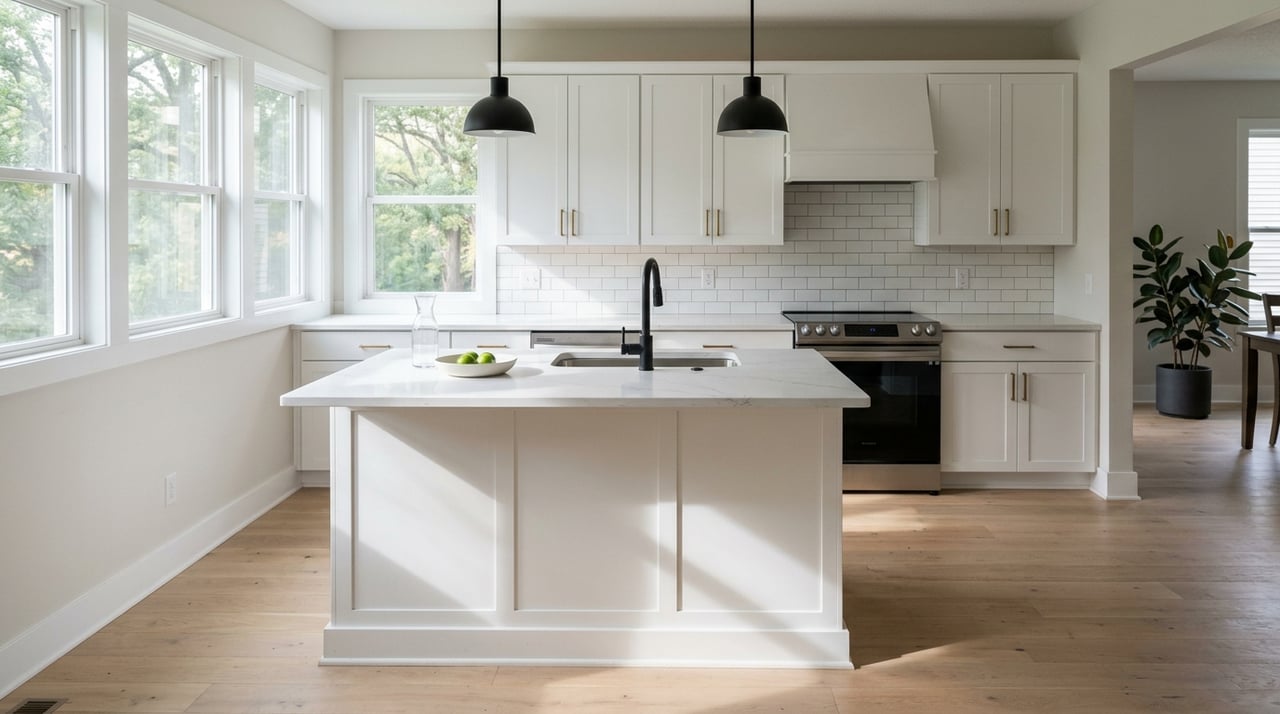
That means a remodeled kitchen, newer systems, or improved curb appeal may help support a stronger asking price, but only if buyers in your segment recognize those features as meaningful. On the other hand, deferred maintenance, dated finishes, or needed repairs can narrow your pricing power, even in a neighborhood with solid demand.
Check current competition before listing
Recent sales tell you where the market has been, but current listings show what buyers are choosing from right now. If similar Sunnyside homes are already sitting on the market, your price needs to make sense beside them.
Both NAR and Fannie Mae point sellers toward current inventory, recent sales, and broader market conditions when setting a price. NAR also notes that if you want a faster sale, a more competitive price may be necessary.
Before your home goes live, it helps to ask:
- Which similar homes are active right now?
- How does your home compare on condition and updates?
- Are nearby listings reducing price?
- How long have competing homes been on the market?
These answers can help you avoid chasing the market after launch.
Price for strong offers, not just attention
The goal is not simply to name the highest list price you can justify. The goal is to attract offers that put you in a strong negotiating position.
That distinction matters. The National Association of Realtors notes that the highest offer is not always the best offer. A slightly lower offer with fewer contingencies or stronger financing can be more appealing than a higher number with more risk attached.
A smart Sunnyside pricing strategy often looks like this:
- Review recent comparable sales.
- Compare your home to current active listings.
- Adjust for condition, updates, repairs, and concessions.
- Set a price that shows clear value to buyers.
When buyers believe a home is priced in line with the market, they are more likely to act quickly and write cleaner offers. When they feel a home is stretched above the market, they often wait, negotiate harder, or move on.
When to price lower or higher
There is no universal best number for every seller. Your pricing strategy should match your goals.
If your priority is speed, pricing near the lower end of a well-supported range may help attract faster traffic and stronger early interest. If your timeline is more flexible, the upper end of the range may be reasonable, but it still needs support from recent sales and current competition.
The key is that both approaches should be grounded in actual market evidence, not guesswork. In a neighborhood like Sunnyside, where public data can point in different directions, pricing inside a realistic range is often safer than trying to “test” the market with an ambitious number.
What if your home misses early traction?
If showings are light or offers are weak, price is one of the first things to revisit. That does not always mean your home is undesirable. It may simply mean buyers do not see enough value at the current number.
Fannie Mae recommends revisiting your price based on current inventory, recent sales, and days on market. In practical terms, that means looking at whether new competing listings have appeared, whether similar homes are going under contract, and whether your home’s position still makes sense.
In many cases, an early, data-backed adjustment is better than letting a listing grow stale. Buyers often watch days on market closely, and the longer a home sits, the more likely they are to assume something is off.
A practical Sunnyside pricing approach
If you are getting ready to sell in Sunnyside, focus on pricing as a strategy, not just a number. A well-priced home can create urgency, support cleaner terms, and help you avoid the stress of repeated reductions.
The strongest approach is usually simple: use recent neighborhood comps, evaluate the active competition, adjust for your home’s condition and updates, and choose a price range that matches your goals. That kind of calm, evidence-based pricing is often what leads to the best overall outcome.
If you want help building a realistic pricing strategy for your Sunnyside home, Joaquin Avila offers hands-on guidance backed by Denver neighborhood experience, clear communication, and a practical seller-first approach.
FAQs
How should you price a home in Sunnyside, Denver?
- Start with recent comparable sales in Sunnyside or nearby Northwest Denver, then adjust for your home’s size, condition, layout, lot, parking, and finish level.
Is Sunnyside, Denver a buyer’s market or seller’s market?
- Public data is mixed, so the better takeaway is that Sunnyside is price-sensitive and data-dependent rather than easily defined by one market label.
How much do home updates affect your Sunnyside asking price?
- Updates can support a higher price if buyers value them, but they do not guarantee a dollar-for-dollar increase in market value.
What makes a strong offer on a Sunnyside home?
- A strong offer is not just about price. Financing strength, fewer contingencies, and cleaner terms can make an offer more attractive overall.
What should you do if your Sunnyside home is not getting offers?
- Revisit the price against current listings, recent comparable sales, and days on market to see whether an adjustment is needed.