Selling a home in City Park can feel simple from the outside, but the details matter. Between pricing, disclosures, prep work, older-home questions, and closing deadlines, it is easy to miss a step that affects your timeline or your bottom line. The good news is that when you plan ahead, the process becomes much more manageable. This step-by-step guide will show you how to prepare, market, negotiate, and close with more confidence. Let’s dive in.
Why City Park attracts buyers
City Park offers a location story that can strengthen your listing from day one. According to Visit Denver’s City Park overview, the area centers around a 330-acre park with the Denver Zoo Conservation Alliance, the Denver Museum of Nature & Science, a public golf course, and notable skyline and mountain views.
For you as a seller, that means buyers are often evaluating both the home and the surrounding lifestyle. A strong sale strategy should highlight your property’s features while also showing its connection to the amenities and setting that make City Park stand out.
Step 1: Understand today’s market
Before you list, it helps to know what kind of market you are stepping into. In March 2026, REcolorado reported a Denver metro median price of $589,000, 18 median days in MLS, and about 12 weeks of inventory.
That points to a market where buyers may have more choices and may compare homes more carefully than they did in a tighter seller’s market. In practical terms, that makes accurate pricing, strong presentation, and thoughtful negotiation especially important.
Step 2: Hire the right broker early
Colorado does not require you to hire a real estate broker to sell your home, but the state notes that the process is complex and the sales contract includes many deadlines. The Colorado home buying and selling process guidance explains why experienced representation can help keep the transaction on track.
This is especially important in a neighborhood like City Park, where older homes, potential permit questions, and buyer inspections can add layers to the sale. A broker also has defined duties, including presenting offers in a timely manner and keeping you informed throughout the process.
Step 3: Gather disclosures before listing
One of the most common mistakes sellers make is waiting too long to handle paperwork. Colorado updated its Seller’s Property Disclosure forms effective January 1, 2023, so this should be part of your early prep, not a last-minute task.
If your home was built before 1978, lead-based paint rules are also critical. The EPA’s real estate disclosure requirements say sellers must provide lead-based paint disclosures, share the EPA pamphlet, and allow a 10-day inspection or risk-assessment period unless the buyer waives it.
In City Park, where many homes may be older, this is a major item to address early. Getting organized before you hit the market can reduce delays once a buyer is under contract.
Step 4: Check permits and historic review issues
City Park and nearby areas are known for architectural character rather than one uniform housing style. Historic Denver’s survey information references a mix of building types dating from the late 1870s forward, including Queen Anne, Romanesque, Victorian cottages, Italianate duplexes and rowhouses, and later American Foursquares or Denver Squares.
That character can be a selling advantage, but it can also create extra homework. If your home is a locally designated landmark or located in a historic district, the City and County of Denver permit office says exterior changes and some additions may require Landmark Preservation review, along with possible building, zoning, drainage, transportation, or tree review.
If you added a deck, changed windows, completed an exterior project, or finished work without clear documentation, check on that before listing. It is much easier to address these questions early than during a buyer’s inspection objection period.
Step 5: Decide on repairs before buyers do
A pre-listing inspection can help you get ahead of surprises. According to Colorado DORA’s explanation of the inspection process, a home inspection is a limited inspection of the property’s general condition and major systems, and some properties may also need added evaluations such as a sewer scope or structural engineering review.
That can be especially useful if you own an older City Park home. You may uncover issues that buyers would likely find anyway, which gives you time to decide whether to repair them, price for them, or prepare documentation and context before negotiations begin.
A simple way to think about pre-list prep is this:
- Fix safety or function issues first
- Gather records for completed work
- Confirm whether planned repairs need permits
- Be realistic about cosmetic updates versus return on effort
Step 6: Prepare the home for photos and showings
In a more balanced market, presentation matters. Buyers are often comparing condition, layout, and overall feel across several active listings, so your home needs to make a strong first impression online and in person.
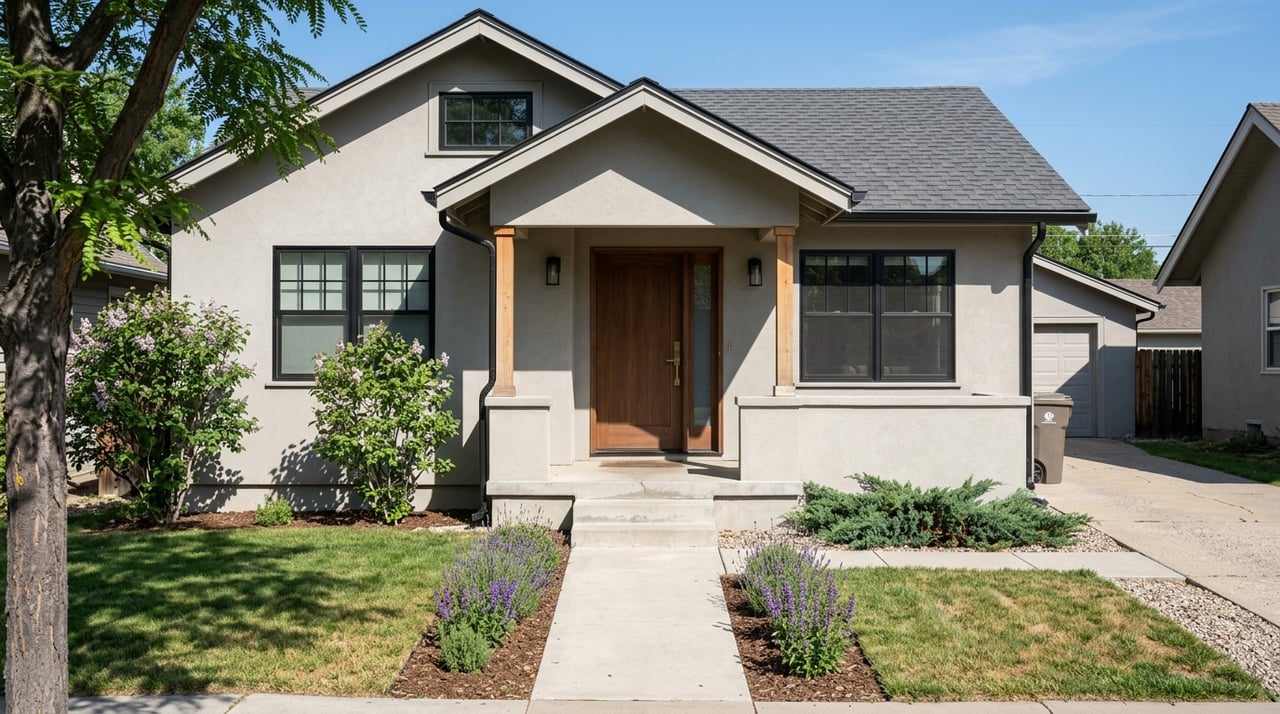
For City Park sellers, the marketing story usually has two parts. First, there is the home itself, including light, layout, curb appeal, and any preserved architectural details. Second, there is the neighborhood context, including proximity to the park, museum, zoo, golf course, and the area’s visual character, as noted by Visit Denver.
Before photography and showings, focus on:
- Decluttering each room
- Improving natural light where possible
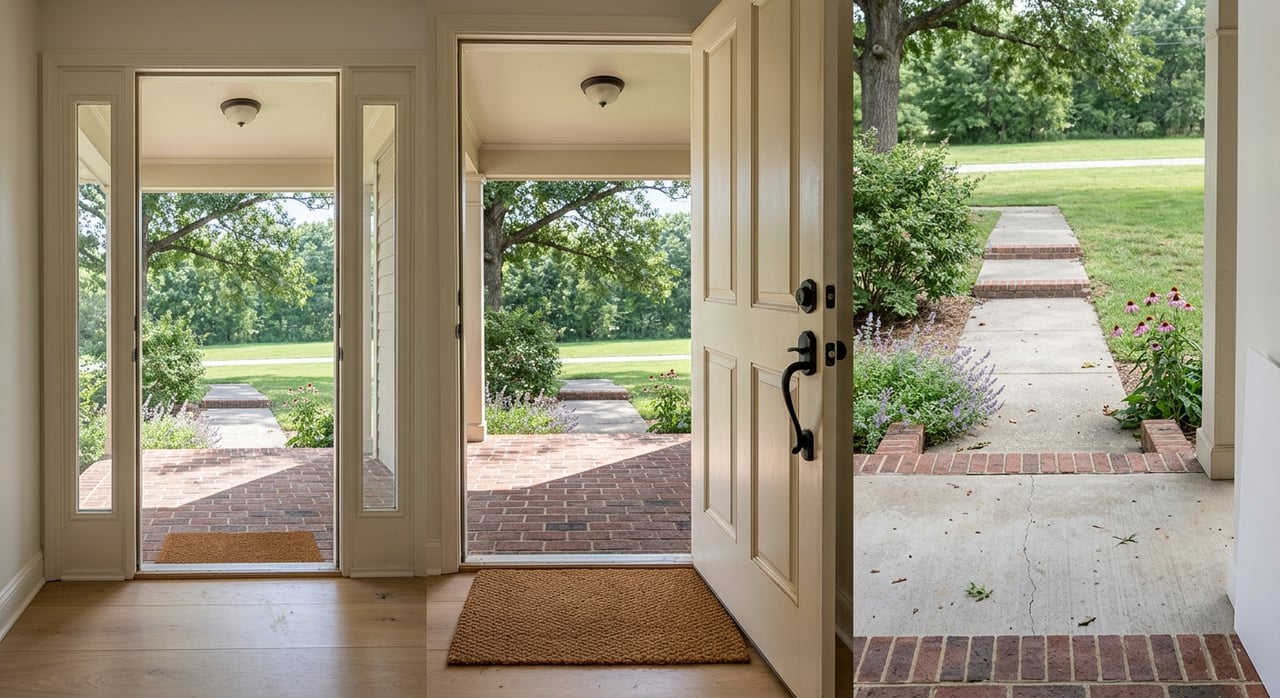
- Tidying exterior spaces and entry areas
- Highlighting original details that are in good condition
- Removing distractions that make rooms feel smaller or busier
Step 7: Price for the market you have
This step can have the biggest impact on how smoothly your sale goes. With about 12 weeks of inventory and 18 median days in MLS across the Denver metro in March 2026, buyers may respond quickly to a well-priced home, but they are less likely to overlook overpricing.
That means your list price should reflect current competition, condition, updates, and any unique strengths of your specific property. In City Park, charm and location can absolutely support value, but buyers still weigh inspection risk, age of systems, and available alternatives.
A strong pricing strategy should account for:
- Recent comparable sales
- Current active competition
- Your home’s condition and repair profile
- Architectural features and curb appeal
- Buyer expectations for older homes in the area
Step 8: Review offers carefully
Once offers come in, speed and clarity matter. Colorado brokerage rules require that a seller’s broker present all offers in a timely manner and keep the seller informed, while also protecting confidential information such as your motivation or willingness to accept less than list price unless you give informed consent, according to the Brokerage Duties Disclosure to Seller.
The highest price is not always the strongest offer. You also want to look at financing terms, inspection and appraisal risk, timeline, requested concessions, and the buyer’s overall ability to close.
Step 9: Stay organized once under contract
After you accept an offer, the transaction moves into a deadline-driven phase. Colorado’s closing instructions explain that the closing company helps prepare and record documents, issues the title commitment and policy after a satisfactory title search, provides closing statements, and disburses funds according to the contract.
At this stage, your job is to stay responsive and organized. Inspection items, title questions, lender requirements, and document requests can all affect timing.
If your property is part of an HOA, collect those materials early. Colorado DORA explains that buyers are entitled to the documents listed in section 7 of the contract, and sellers must provide enough information for the buyer to determine whether the association is professionally managed, which you can review in the state’s HOA home buying guidance.
Step 10: Prepare for closing day
The Colorado residential contract outlines several seller responsibilities at closing. Under the Contract to Buy and Sell Real Estate, you must deliver the deed at closing, and unless another deed is selected, the default is generally a special warranty deed.
You also need to provide access items such as keys, access codes, or garage door openers. In many cases, each side pays its own closing costs unless the contract states otherwise, and seller liens or encumbrances are generally handled before or at closing.
One more issue deserves special attention: wire safety. Colorado warns in its closing instructions that wire fraud is a significant risk, and wire instructions should be verified by phone or in person using a trusted, independently verified number, not email alone.
Common City Park selling challenges
Most City Park sales are manageable, but a few issues come up more often here than in newer neighborhoods. Older housing stock can bring lead-based paint disclosures, added inspection questions, and possible permit or historic-review issues.
The second major challenge is market sensitivity. In a market where buyers have more options, skipping prep work or pricing too high can lead to extra days on market and more negotiation pressure.
The best way to avoid those problems is to start early. When you handle paperwork, repairs, pricing, and marketing before the listing goes live, you give yourself more control over the process.
A smoother sale starts with a plan
Selling a home in City Park is not just about putting a sign in the yard. It is about preparing the property, understanding the neighborhood story, meeting Colorado requirements, and making smart decisions at each stage of the transaction.
If you want a calm, step-by-step selling plan tailored to your property, Joaquin Avila can help you prepare, price, market, and navigate the process with clear communication from start to finish.
FAQs
What is the first step to selling a home in City Park Denver?
- The first step is understanding your home’s market position and starting early on broker selection, pricing strategy, and required disclosures.
Do older City Park Denver homes need lead-based paint disclosures?
- Yes, if the home was built before 1978, federal law requires lead-based paint disclosures before the contract is signed unless an exemption applies.
Can exterior work affect a City Park Denver home sale?
- Yes, if the property is a designated landmark or in a historic district, some exterior changes or additions may require review or permits from Denver.
Should sellers get a pre-listing inspection for a City Park Denver home?
- A pre-listing inspection can be helpful, especially for older homes, because it may uncover repair or system issues before buyers use them in negotiations.
How long does it take to sell a home in the Denver market?
- REcolorado reported a median of 18 days in MLS for the Denver metro in March 2026, but actual timing can vary based on pricing, condition, and buyer demand.
What should HOA sellers in City Park Denver prepare?
- If your home is in an HOA, condo, or townhome association, you should gather association documents early because buyers are entitled to review them under the Colorado contract.