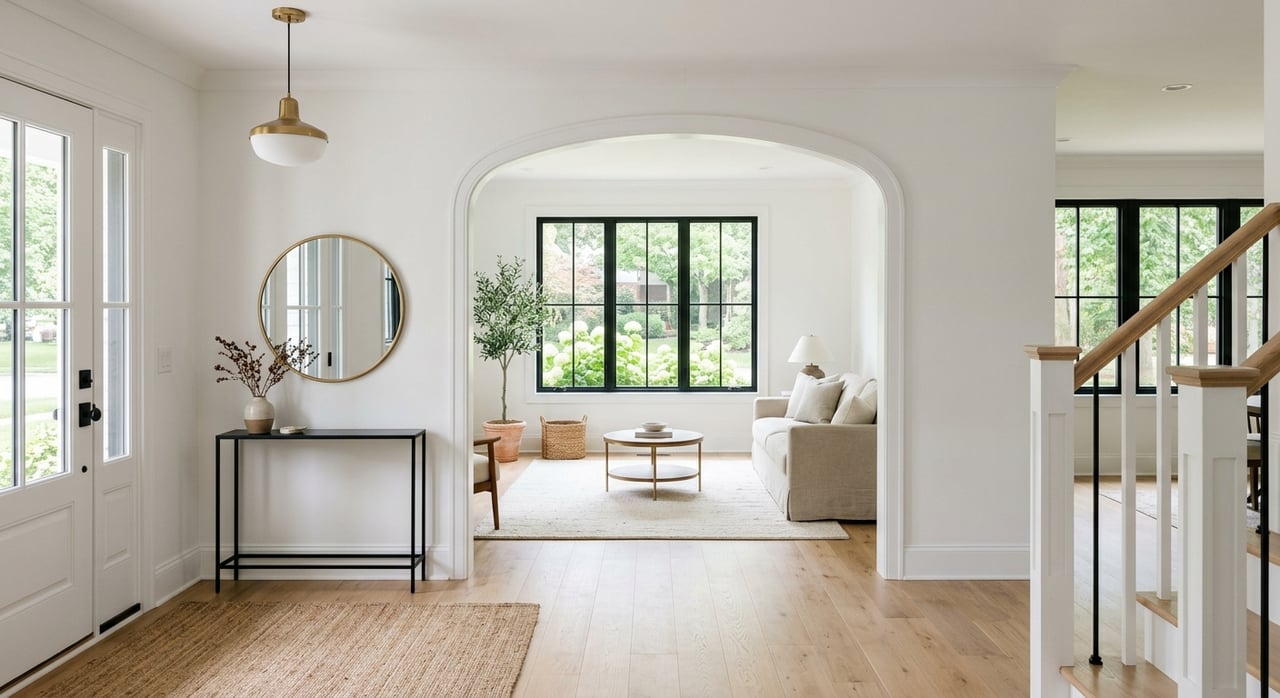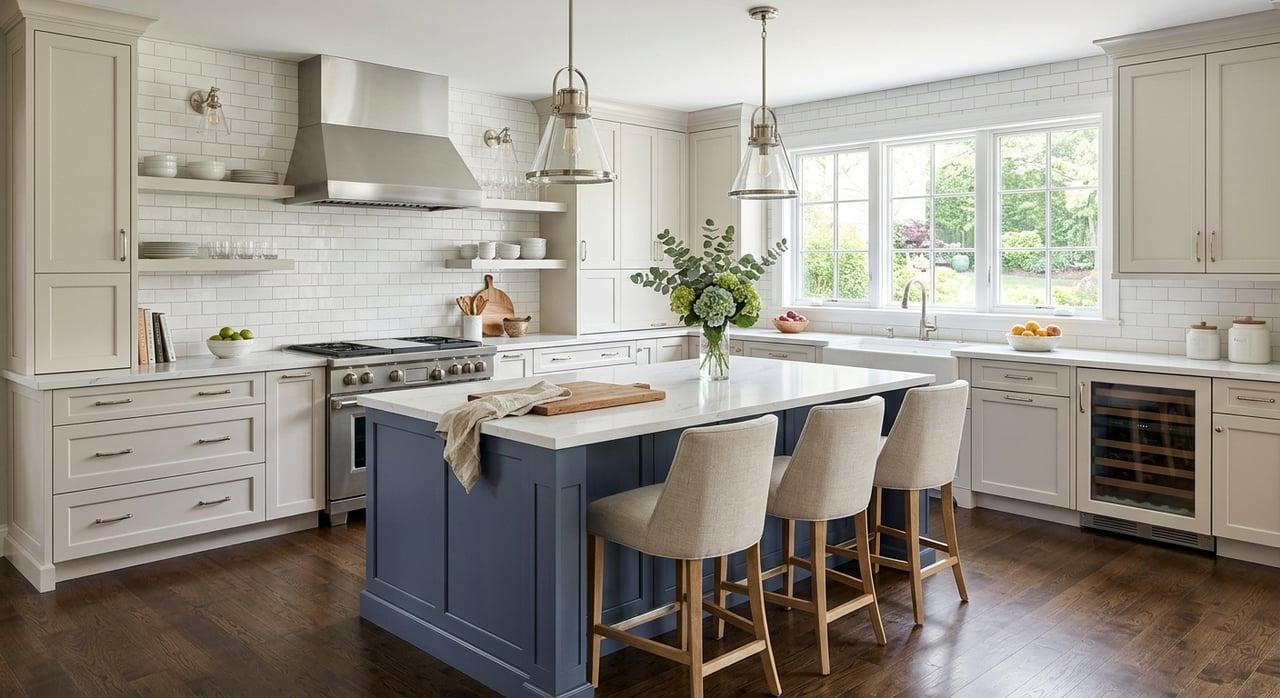
Trying to pick between Sunnyside and the Highlands for your next Denver home? You are not alone. Both areas sit just northwest of downtown, both are walkable, and both offer a mix of older homes and new infill. The differences come down to price, lifestyle, and daily logistics like parking and commute. In this guide, you will get a clear, side-by-side comparison so you can match your budget and routine to the right neighborhood. Let’s dive in.
At a glance: Sunnyside vs. Highlands
Sunnyside snapshot
Sunnyside sits in northwest Denver within zip code 80211. It is commonly described as bounded by 38th Avenue on the south, I-70 on the north, Federal Boulevard on the west, and rail lines on the east. You will also find an active neighborhood group, Sunnyside United Neighbors (SUNI), that supports local engagement and planning discussions. For background on location and boundaries, see the Sunnyside neighborhood overview.
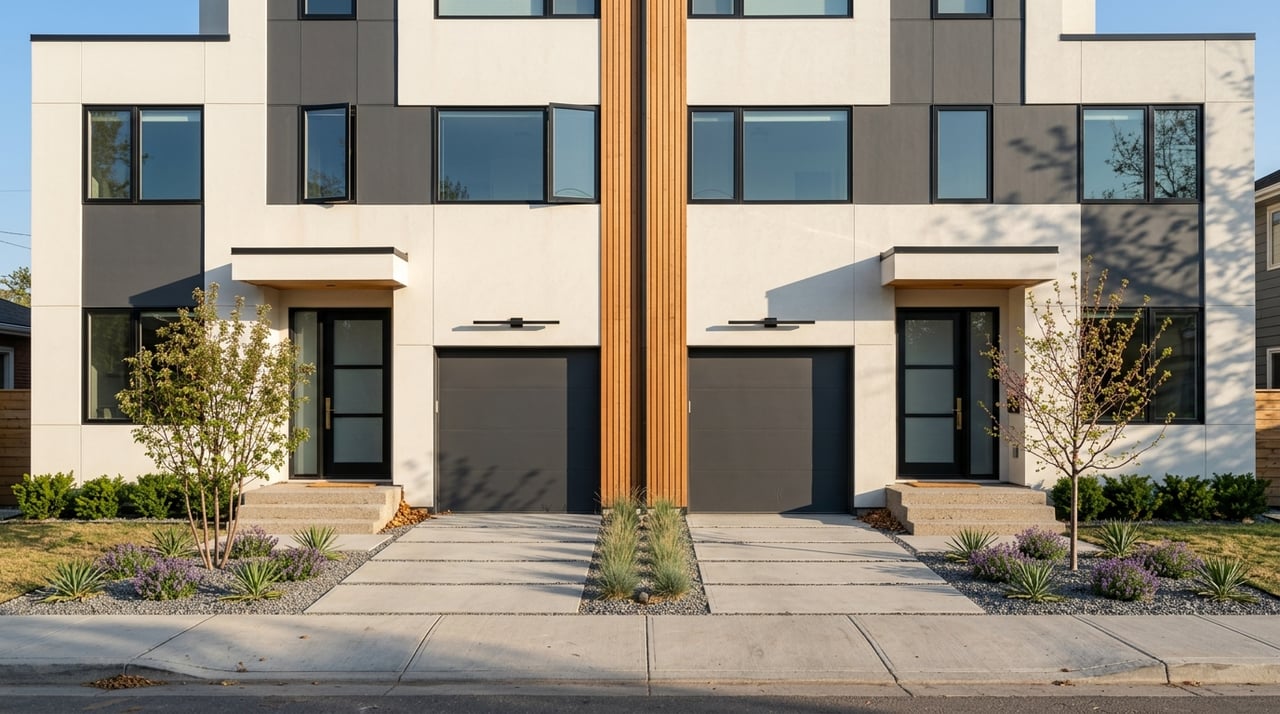
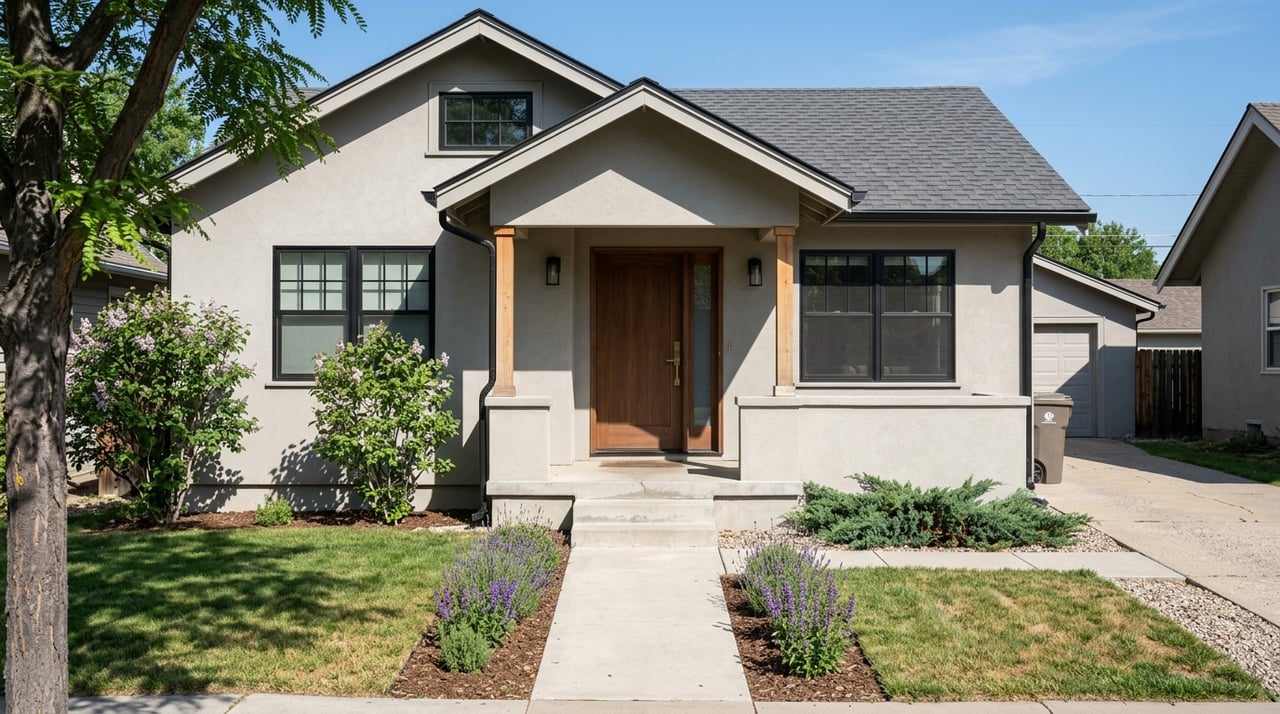
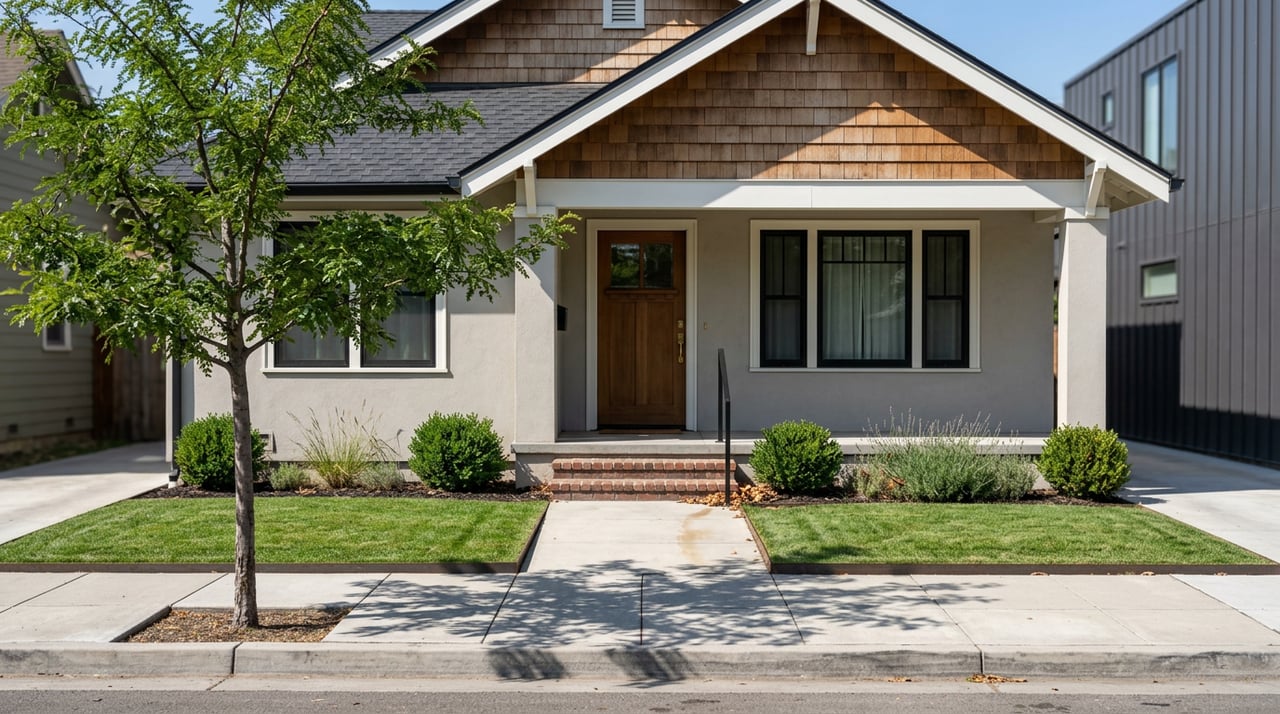
Sunnyside reads as residential first, with growing cafe and brewery pockets along 38th and 44th. Many blocks hold early 1900s bungalows alongside modern townhomes and duplex infill. The feel is “value with walkability,” especially compared with the busiest Highlands corridors to the south.
Highlands snapshot
“Highlands” covers several micro-areas. LoHi, short for Lower Highlands, sits closest to I-25 and downtown and has the most dining and nightlife. West Highland areas near 32nd Avenue offer tree-lined streets, historic homes, and steady neighborhood retail. Potter Highlands is another pocket with notable historic housing. For a broad lifestyle overview, the Highlands neighborhood guide highlights key streets, restaurants, and shopping.
Across these pockets, you will find Victorian and turn-of-the-century homes, updated bungalows, and many higher-end townhomes and condos, especially in LoHi. The range of housing types is wide, and so are the price points.
Home types and pricing today
Metro Denver inventory increased during 2025 and into 2026, which eased some of the intense bidding pressure you may remember from pandemic years. According to Axios Denver’s market update, more active listings and longer days on market gave buyers more room to negotiate, though desirable blocks still move quickly.
Here is what that means locally:
- Sunnyside often gives you more square footage for the price compared with the busiest Highlands cores.
- LoHi in particular commands a premium for walk-to-downtown convenience and dense dining options.
- West Highland also sees strong pricing for well-restored single-family homes near popular retail corridors.
Public portals show different neighborhood medians because they use different boundaries and time windows. For example, Redfin’s January 2026 snapshots showed a Sunnyside median sale price around 859,500 dollars, while the broader Highland median posted around 700,000 dollars, with LoHi micro-areas commonly listing far higher and many condos and townhomes pushing into the 900,000 to 1,000,000 dollar range. Treat those as directional, not definitive. Always compare recent MLS comps for the exact block and property type.
What drives the price gap
- Proximity to downtown. LoHi’s quick walk and bike links to downtown support a premium.
- Retail concentration. Dense dining and destination retail in LoHi and along 32nd Avenue boost values nearby.
- Infill and finishes. Newer townhomes and high-spec renovations list higher than older, smaller homes on quieter blocks.
Walkability and lifestyle
Walk Score consistently rates Highlands and LoHi higher than Sunnyside due to denser restaurant and retail clusters. You can browse comparative scores on Walk Score’s Denver page. That difference shows up in how you will spend your evenings and weekends.
Sunnyside day-to-day
You will find neighborhood cafes, breweries, and small parks sprinkled through the area. The main corridors along 38th and 44th have growing food and retail options, while many streets remain quiet and residential. Sunnyside often offers easier street parking on average, but check block by block.
Highlands day-to-day
LoHi brings concentrated dining, rooftop patios, and destination restaurants. West Highland centers around 32nd Avenue with steady local retail and a relaxed, residential character. Popular areas can feel lively on evenings and weekends, and cores like LoHi can experience parking pressure during peak dining hours. Local groups such as the West Highland Neighborhood Association share community updates and events.
Commute and transit
If you rely on rail or transit
Sunnyside has an advantage with the RTD commuter rail station at 41st and Fox, which connects to corridors north and west of Union Station and creates a non-car option for reaching the core. Learn more about the 41st and Fox station.
If you walk or bike to downtown
Highlands benefits from direct links to downtown via the Highland pedestrian bridge and the Platte River trail network. Many residents commute by foot or bike to Union Station and nearby offices. See the Highland Bridge overview for a sense of that connection.
If you drive
- From Sunnyside, quick access to I-70 and Federal Boulevard can shorten trips toward northwest suburbs and mountain corridors.
- From the southern edge of Highlands, proximity to I-25 simplifies drives toward downtown and south corridor employment centers.
Plan to test your actual commute at your target hours in both directions. Ten minutes at 7:45 a.m. can feel very different from ten minutes at 2:00 p.m.
Long-term outlook and watch items
Upside drivers
- Ongoing demand near downtown. Highlands and LoHi continue to attract restaurants and retail, which supports housing demand over time. The Highlands guide from Visit Denver illustrates the sustained draw of these corridors.
- Transit access and infill potential. Sunnyside’s location near the 41st and Fox station may benefit from transit-oriented improvements over the long run. See station details on the 41st and Fox page.
Watch items
- Micro-block factors. In Sunnyside, some homes sit close to I-70 or along rail lines. Noise and air quality can vary by block, and older homes often need careful inspections for roofs, foundations, and systems. The Sunnyside overview can help you visualize boundaries and nearby infrastructure.
- Parking and nightlife. LoHi’s busiest cores bring evening energy and parking tradeoffs. If you value quiet nights and easy street parking, test evening visits on weekends. The West Highland Neighborhood Association provides helpful local context on community life.
- Policy and project timelines. City planning and transportation projects can affect traffic patterns, construction, and near-term value. Track updates on Denver’s projects and programs page. Market cycles matter too. The Axios Denver report noted higher inventory in 2025, which eased bidding pressure.
Which neighborhood fits you
Consider these quick profiles to match your priorities:
- Choose Sunnyside if you want more house for the money, a residential feel on many blocks, and the option of rail access at 41st and Fox. You still get solid walkability in several sections, just with fewer late-night hotspots at your doorstep.
- Choose Highlands or LoHi if you want immediate dining and nightlife, frequent walks to coffee and dinner, and the fastest walk or bike into downtown. Expect to pay a premium for that convenience, especially in LoHi, and plan for evening parking tests.
Your buyer checklist for Sunnyside vs. Highlands
Use this shortlist to make the most of weekend tours and second visits:
- Budget and comps. Pull 90- and 180-day MLS comps for the exact block, not just broad neighborhood medians. Compare single-family to single-family, townhome to townhome.
- Visit windows. Tour both areas during weekday commute times and on weekend evenings to test traffic, noise, and parking.
- Commute runs. Time your drive, rail, or bike routes to real destinations. Try both peak and off-peak hours.
- Walk and bike tests. Walk a 10- to 20-minute route to grocery, coffee, and if relevant, to Union Station or downtown. The Walk Score Denver page is a good starting point, but your feet will tell the story.
- Schools and childcare. Make a list of nearby options and review official resources. For example, see the page for Rocky Mountain Prep Sunnyside, formerly STRIVE, on the Colorado League of Charter Schools. Use neutral, factual sources for comparisons.
- Block-level checks. Note proximity to I-70, rail lines, and busy commercial strips. Confirm sun exposure, alley condition, and lot orientation if you plan a future ADU or addition.
- HOA and parking details. For condos and townhomes, list HOA fees, parking assignments, and any short-term rental rules.
- City planning and projects. Review current and upcoming work that could affect your street on Denver’s projects page.
- Crime and safety data. Pull official stats by statistical neighborhood from the Denver Police crime information portal and compare trends over time.
- Financing examples. Build a sample monthly payment for your short list using current rate assumptions. Update figures as rates move.
Ready to compare on-site?
If you are weighing Sunnyside against Highlands, the right choice comes from how you live day to day. Walk the routes, time the commutes, and see a few homes in each area to understand tradeoffs in space, finishes, and price. When you want block-by-block comps and a strategy to secure the right home at the right number, reach out to Joaquin Avila for a calm, data-informed plan. Schedule a Free Denver Market Consultation. ¿Hablas español? Con gusto te ayudo.
FAQs
What is the main price difference between Sunnyside and Highlands in Denver?
- LoHi and core Highlands blocks often command a premium for walk-to-downtown access and dense dining, while Sunnyside typically offers more space for the price. Always compare recent MLS comps for your exact block.
How does walkability compare between Sunnyside and LoHi?
- LoHi ranks higher on walkability due to concentrated restaurants and retail, while Sunnyside is walkable on many blocks but more residential in feel. Check your own routes with a 10- to 20-minute walk test.
What transit options help Sunnyside commuters?
- Sunnyside is near the 41st and Fox RTD commuter rail station, which connects to corridors north and west of Union Station and expands non-car options for reaching the core.
Is parking easier in LoHi or Sunnyside?
- LoHi’s busiest cores can see evening parking pressure near restaurants and bars, while many Sunnyside blocks feel easier for street parking. Visit during peak times to confirm your experience.
What block-level risks should I check in Sunnyside?
- Verify proximity to I-70 and rail lines, assess noise at different hours, and order inspections tailored to older homes. Lot orientation and alley condition can also affect renovation or ADU plans.