Is a rental near City Park a smart move right now? With metro vacancy rising and rents softening in parts of Denver, the math can feel murky. You want walkability and steady demand, but you also need clear numbers and rules that will not surprise you later. In this guide, you will learn what typical rents look like today, how to underwrite returns, and which Denver and Colorado laws can shape your timeline, screening, and cash flow.
Let’s dive in.
Why City Park attracts renters
City Park and City Park West offer a mix of historic homes, tree-lined streets, and access to the park’s lakes, the Denver Zoo, and the museum campus. Many residents value the short commute to downtown and the restaurant corridors along Colfax and 17th Avenue. These amenities support consistent interest from young professionals, downsizers, and roommates who prioritize neighborhood lifestyle.
Explore the area’s anchors using the City Park Alliance resource and map to orient yourself to trails, attractions, and facilities. You can review the park’s layout and highlights through the City Park Alliance’s interactive overview of the area’s amenities. For context, see the City Park Alliance map.
Current rents and prices
Public rental-data snapshots for City Park show a wide range that shifts with condition, parking, and unit type. As a general frame:
- Studios and small 1-bedrooms often list around $1,200 to $1,900 per month.
- Typical 2-bedrooms can range from about $1,700 to $3,000 per month.
- Larger 3-plus-bedroom single-family homes and townhomes frequently sit between $2,500 and $4,500 or more, depending on updates and outdoor space.
Neighborhood medians from different data vendors can diverge because the sample size is small and a few high-priced listings can skew the numbers. Treat these ranges as a starting point and confirm with current actives and leased comps on your target block. On purchase prices, City Park’s average home values often land in the mid-to-high $600,000s, with adjacent City Park West commonly in the $500,000 to $650,000 band depending on the property and timing. Always use local MLS comps tied to the exact address.
Vacancy and leasing outlook
Metro Denver vacancy has climbed into the 6 to 7 percent range, and year-over-year rent softness in some submarkets has increased concessions. That context matters when you plan your lease-up assumptions and turnover reserves. For recent metro-level data and trends, review the Apartment Association of Metro Denver’s vacancy and rent report.
Micro-markets around City Park can perform differently from the metro average. Newer corridors near Colfax may see more concessions, while well-managed vintage buildings might keep occupancy stronger. For underwriting, a conservative vacancy allowance of 5 to 8 percent is a reasonable starting point until you confirm absorption with fresh comps.
Rules that shape your returns
A good pro forma in Denver accounts for licensing, screening, timelines, and permitted use. Here are the key items to factor into your plan:
- Residential rental licensing. Denver requires a residential rental property license for any dwelling rented for 30 days or longer, with inspection and compliance steps that can affect time-to-market. Review the city’s process on the residential rental property license page.
- Short-term rentals. Denver requires STR licenses and generally restricts STRs to primary residences. If you plan to mix short-term and long-term uses, confirm rules before you model income. Details are on the city’s short-term rentals page.
- Source-of-income protections. Local fair housing rules prohibit discrimination based on lawful source of income, including vouchers. Align your marketing and screening with Denver’s tenant-rights guidance, summarized on the city’s tenant rights and resources page.
- Screening law changes. Colorado’s HB23-1099 requires acceptance of qualifying portable screening reports, limits application fee practices, and restricts some income requirements. Read the bill summary and text at HB23-1099.
- Eviction timeline changes. HB21-1121 altered notice and filing procedures, which can extend practical recovery timelines. Budget realistically for legal time and cost by reviewing the enacted text in the HB21-1121 summary PDF.
- Security deposits. Colorado requires return of the deposit or an itemized statement within statutory timelines, typically 30 days unless the lease allows up to 60. See the state’s renters’ rights summary.
- ADUs and occupancy. Denver broadened ADU eligibility citywide, expanding potential for long-term ADU house-hacks, with design, setback, utility, and permit requirements. A recent explainer from Colorado Lawyer outlines the statewide ADU and occupancy framework. For background, review Colorado’s ADU and occupancy updates and see local coverage of Denver’s change in this Denverite article.
Underwrite a City Park deal
A reliable underwriting flow keeps you honest from the first screen to final offer. Use public data for your initial pass, then verify with MLS comps, a local property manager, and an inspector.
Start with these steps:
- Define rent comps and a vacancy allowance.
- Pull 5 to 8 recent active listings and confirm at least 2 leased comps from local property managers. Note concessions and parking.
- Until you have hyperlocal evidence, use a 5 to 8 percent vacancy assumption given metro softness.
- Estimate operating expenses by line item.
- Start with a quick screen using the “50 percent rule” to sanity-check your numbers, then break out taxes, insurance, maintenance, management, utilities, and reserves. For context on maintenance planning, see this overview of common expense patterns from Rentec Direct.
- Build your pro forma with standard formulas.
- Effective Gross Income (EGI) = Scheduled Rent x (1 − Vacancy Rate)
- Net Operating Income (NOI) = EGI − Operating Expenses (excludes debt)
- Cap Rate = NOI / Purchase Price
- Cash-on-Cash = (NOI − Annual Debt Service) / Cash Invested
- Add legal and timing impacts.
- Include licensing, inspection, and leasing timeline in your hold-back days. Reflect screening rules, potential mediation steps, and realistic re-possession timelines if you underwrite nonpayment scenarios.
- Run sensitivity tests.
- Vary rent by plus or minus 5 to 10 percent, adjust vacancy and turnover periods, and model CapEx spikes for older roofs, HVAC, and windows.
Example: quick cap-rate math
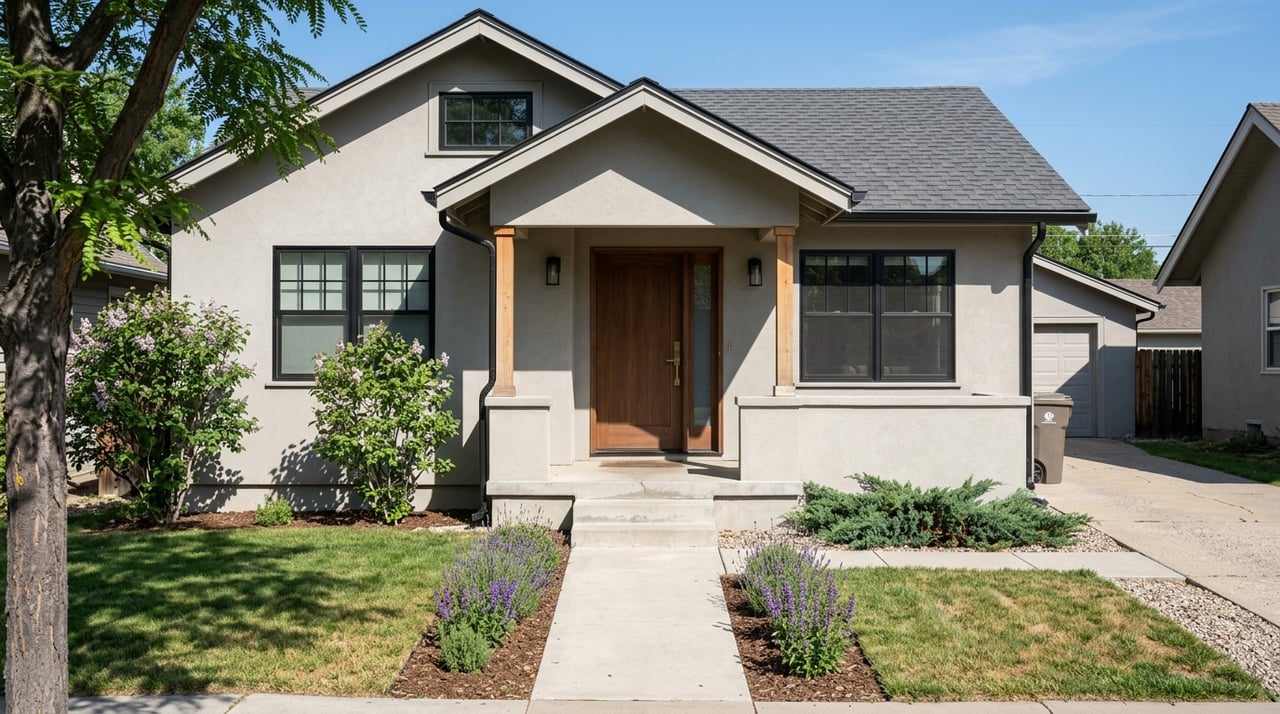
Consider a renovated 3-bedroom single-family near City Park with a purchase price of $700,000 and a conservative market rent of $3,000 per month. Assume a 7 percent vacancy allowance and use a simple 50 percent operating expense screen before you refine the line items.
- Scheduled rent: $36,000 per year
- Vacancy (7 percent): $2,520 → Effective Gross Income: $33,480
- Operating expenses (50 percent of gross rent): $18,000
- NOI: $15,480
- Cap rate: $15,480 ÷ $700,000 ≈ 2.2 percent
Interpretation: All-cash returns look thin at face value because purchase prices are high relative to long-term rents. That is why many buyers in City Park pursue one of the following to improve returns:
- Live-in house-hack. Offset your housing cost by renting rooms or a separate unit while you build equity.
- Add a permitted ADU. Where allowed, a legal ADU can lift gross rent, but factor design, utility, parking, permitting time, and cost.
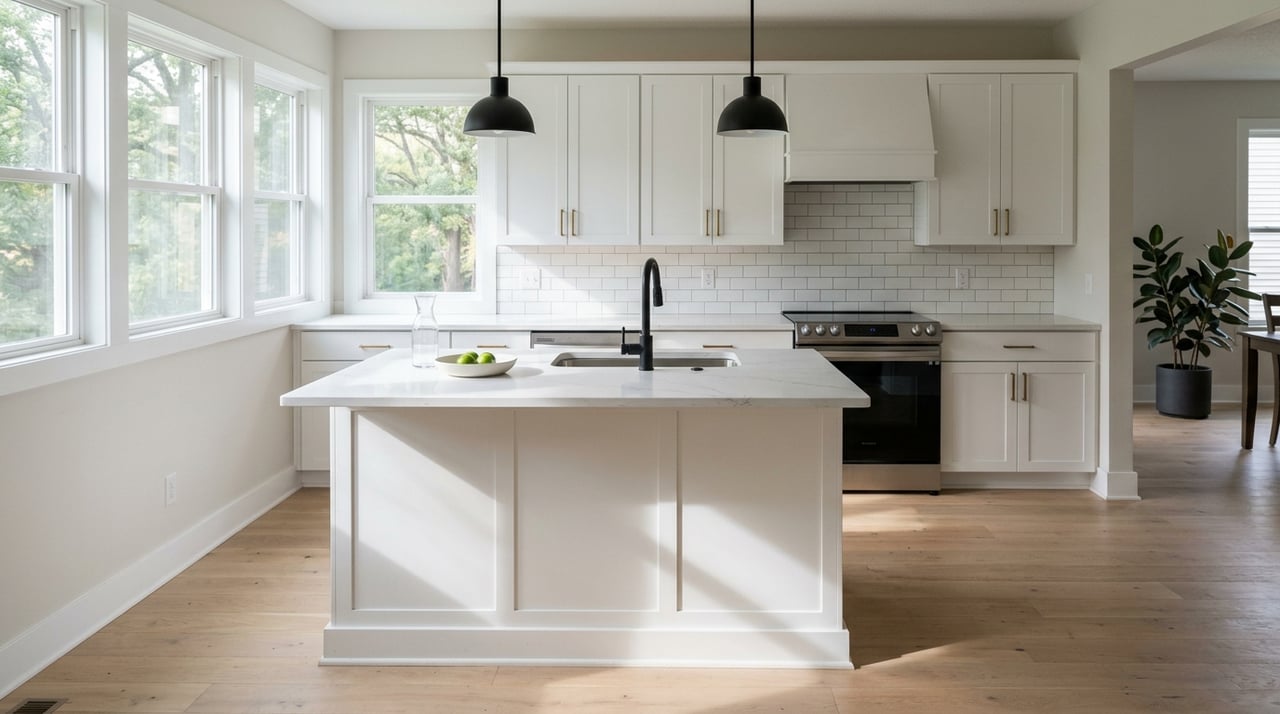
- Value-add improvements. Renovations that solve functional issues or add in-demand features can move a unit into a stronger rent band.
- Price discipline. If returns must clear a higher hurdle, you may need a price reduction, different property type, or an adjacent micro-area with better rent-to-price ratios.
House-hack and ADU options
Denver’s expanded ADU eligibility increases the number of parcels where you can build a long-term rental unit. Parcels still need to meet design and setback rules, and owner-occupancy may apply at permit application. Before you budget, talk with zoning, confirm utility capacity, and map the path from design to final inspection. For an overview of recent statewide and local changes, start with the Colorado Lawyer explainer and Denver’s citywide change covered by Denverite.
For a live-in house-hack of a standard home, model rent by room and shared-bath premiums, and confirm parking realities on your block. If you plan occasional short-term rentals, make sure you understand primary-residence requirements and licensing on the city’s STR page before you count that income.
Checklist before you offer
Use this quick list to keep your first-pass underwriting tight:
- Pull three to six recent sold comps within six months and a close radius. Confirm condition and parking.
- Gather at least three rent comps and call two local property managers for leased rates and current concessions.
- Budget a conservative vacancy allowance of 5 to 8 percent for your first model. Adjust after comp review.
- Itemize operating expenses and set a CapEx reserve based on age and system condition. Use the 50 percent rule as a quick screen, then refine line items.
- Confirm Denver’s residential rental license requirements and inspection timing on the city page.
- If modeling an ADU, confirm zoning and feasibility early. Review legal context via Colorado Lawyer and Denver’s local shift via Denverite.
- Update screening documents for HB23-1099 and align notice procedures with HB21-1121.
- If you plan to accept or market to voucher holders, align policies with Denver’s source-of-income protections using the city’s tenant-rights guidance.
- If STR income is part of your model, confirm eligibility on the city’s STR page.
Final thoughts and next steps
City Park offers a compelling lifestyle and broad renter appeal, but today’s returns require careful underwriting and attention to rules. If you need a pure cash-flow play, you may prioritize price discipline, value-add, or an adjacent micro-area. If you value walkability and plan to owner-occupy, a house-hack or ADU strategy can bring the numbers in range while you enjoy the neighborhood.
If you want help pulling the right comps, modeling returns, and navigating Denver’s licensing and ADU paths, reach out to Joaquin Avila to set up a game plan that fits your goals. Schedule a Free Denver Market Consultation. ¿Prefieres español? También podemos ayudarte.
FAQs
What are typical long-term rents near City Park?
- Studios and small 1-bedrooms often list around $1,200 to $1,900, 2-bedrooms around $1,700 to $3,000, and larger 3-plus-bedroom homes from about $2,500 to $4,500 or more depending on updates and parking.
How is Denver’s rental license process relevant to investors?
- Denver requires a residential rental license for 30-plus-day rentals, with inspections and minimum standards that can affect your timeline and initial costs; see the city’s license page.
Are short-term rentals allowed if I buy near City Park?
- Short-term rentals are generally limited to primary residences and require a license, so mixed STR and long-term plans must comply with the city’s STR rules.
What vacancy rate should I use for underwriting in 2025?
- Start with 5 to 8 percent given metro vacancy in the 6 to 7 percent range and adjust based on hyperlocal comps; review the AAMD vacancy report for current context.
How do Colorado’s screening and eviction laws affect my timeline?
- HB23-1099 requires acceptance of qualifying portable screening reports and limits some fee and income requirements, while HB21-1121 extends notice and filing steps, lengthening practical timelines; see HB23-1099 and HB21-1121.
What should I know about ADUs for a City Park house-hack?
- Denver has broadened ADU eligibility, but each parcel must meet design, setback, and utility rules, and owner-occupancy may apply at permit application; see this Colorado Lawyer overview and local coverage in Denverite.