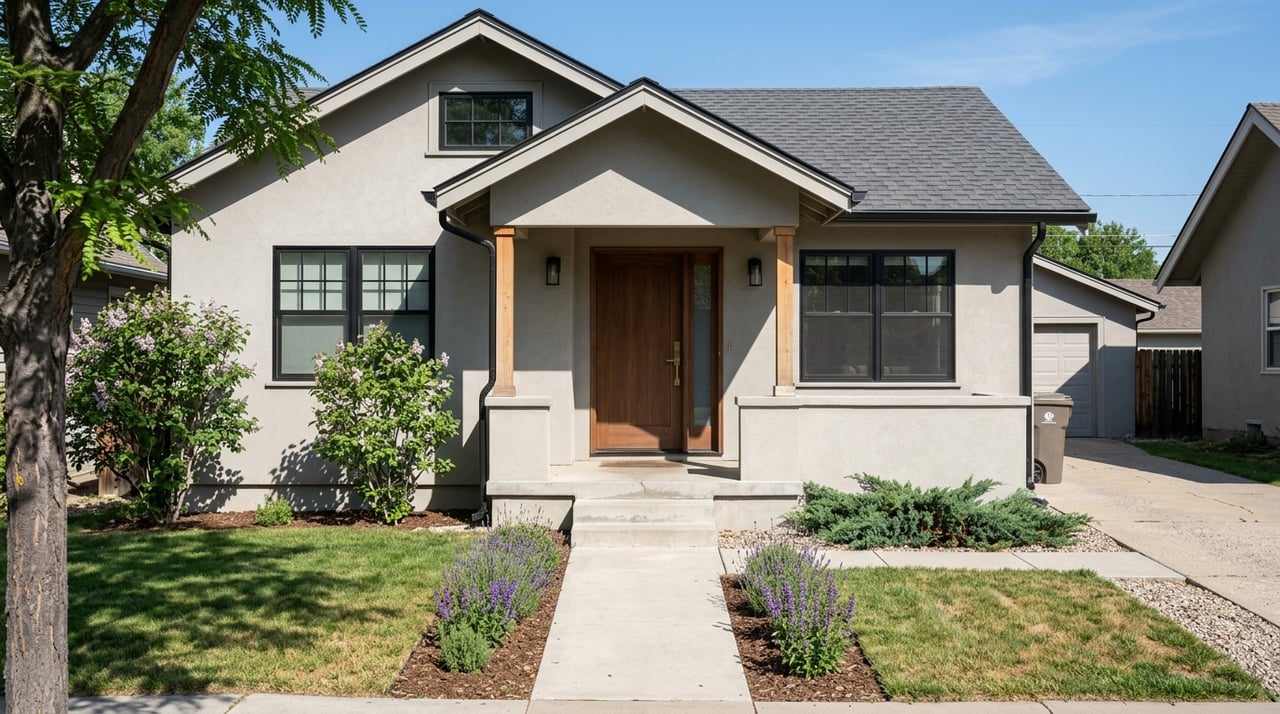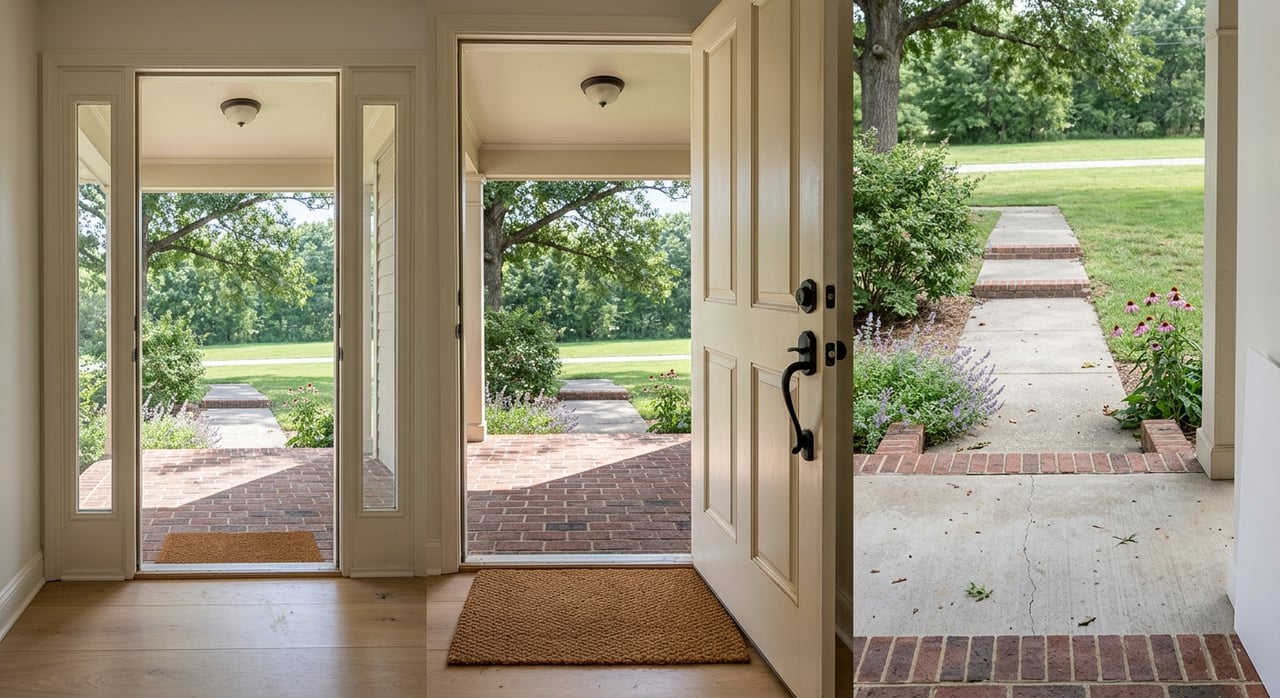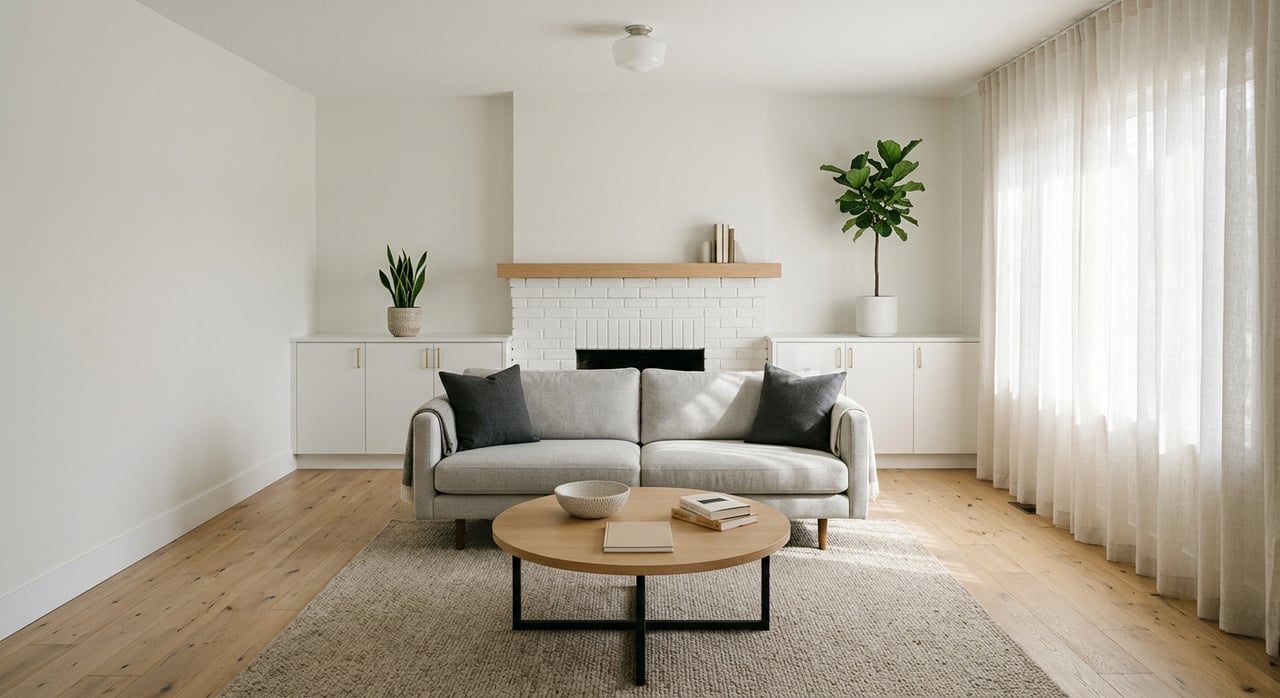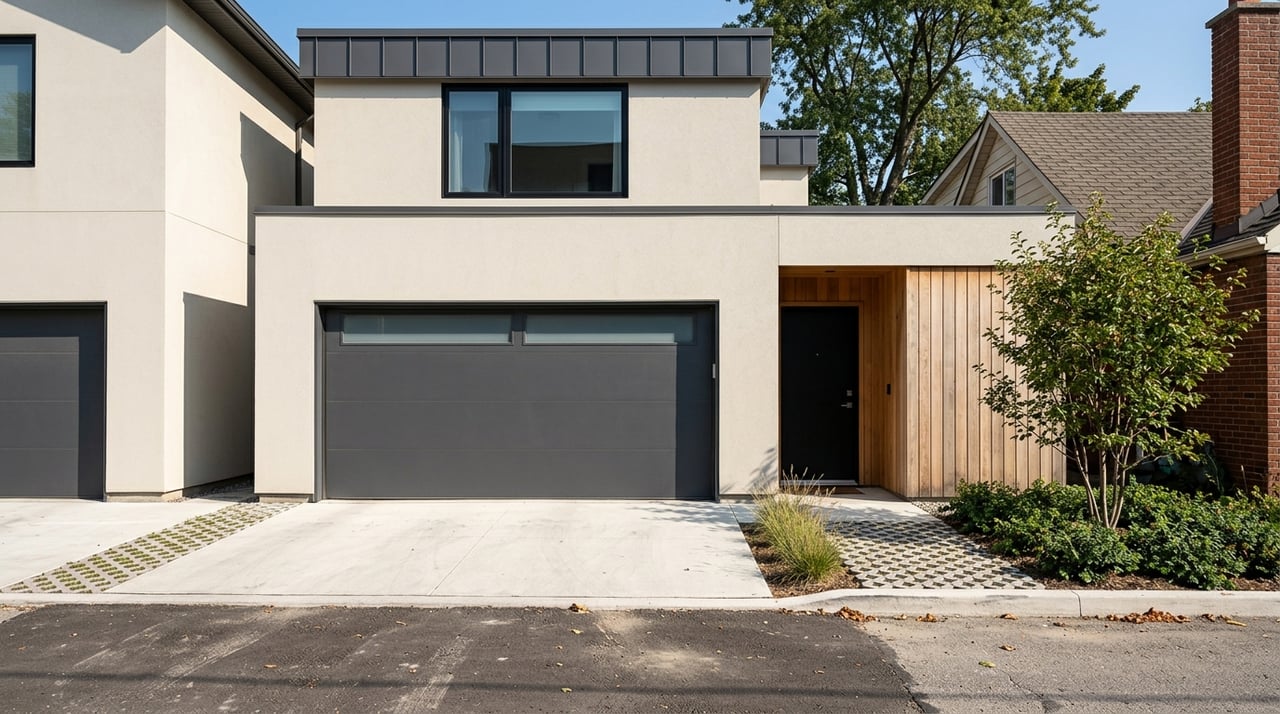
Thinking about buying a newer home in Sunnyside? You are not alone. This pocket of northwest Denver has become a popular place to look for modern townhomes, boutique condos, and custom infill homes, but the options can feel confusing if you are trying to compare new construction with the neighborhood’s older housing stock. In this guide, you will get a practical look at where new homes tend to show up, what they usually look like, how pricing compares, and what tradeoffs matter most before you make a move. Let’s dive in.
What “new construction” means in Sunnyside
In Sunnyside, new construction usually does not mean a large subdivision built all at once. Instead, it often means infill development, where a newer home replaces or is added to an existing lot, or where a small multi-unit project is built on a neighborhood street.
That fits Sunnyside’s history and layout. According to the Denver Public Library’s neighborhood history guide, Sunnyside began in 1872 and grew over time with a mix of older homes and later post-war construction. Today, that layered history is part of why the neighborhood has such a varied housing mix.
Where infill homes appear most often
Newer homes in Sunnyside tend to show up in a scattered pattern rather than in one concentrated area. The market examples in the research point to streets like Tejon, Elk, Jason, and West 42nd, which suggests most new supply comes from lot-by-lot redevelopment and small projects.
Planning documents also point to older streetcar-era corridors as likely areas for continued infill. In the city’s Near Northwest Area Plan, community input highlighted places like 32nd Avenue and 44th Avenue, and the plan supports West 44th Avenue as a neighborhood corridor with active street-level uses, small-business support, and stronger design standards.
Why compatibility matters in Sunnyside
If you are shopping here, it helps to think less in terms of new versus old and more in terms of compatible versus incompatible. That is a big theme in Sunnyside.
The city approved Sunnyside Conservation Overlays CO-7 and CO-8 for 3,259 homes to make new development more consistent with surrounding houses. As outlined by Denver City Council District 1 information, these overlays shape things like front porches, massing, flat-roof heights, and floor area, and CO-8 also requires brick in new home construction.
That matters because community feedback has been mixed. Residents supported more housing choices, including missing-middle housing and ADUs, but they also raised concerns about scrapes and new construction that feels overpriced, poorly built, or out of character. If you want a newer home in Sunnyside, design fit and build quality should be part of your search from day one.
Common new home types in Sunnyside
Most newer homes in Sunnyside are attached housing rather than detached single-family homes. That includes:
- Townhomes
- Duplexes
- Small condo buildings
- Small multi-unit infill projects
For example, a 2025-built townhome at 4121 Tejon Street sold for $642,000 and included designer finishes, bike storage, and a dedicated off-street space. Another example, a townhome at 1923 W Elk Place #4, was listed at $499,500 with a rooftop deck and no HOA, using a party-wall agreement instead.
There are also boutique condo options. A 2022-built condo at 4025 Jason Street #101 is an example of the smaller-building format, with a six-unit setup and a $175 per month HOA.
What single-family infill looks like
Detached new builds do exist in Sunnyside, but they are less common and usually more expensive. These homes often feel more custom, with larger footprints, garages, and higher-end finishes.
One recent example was a 2025 single-family home at 1459 W 42nd Avenue that sold for $1.035 million. It had 4 bedrooms, 3 baths, 2,613 square feet, an attached garage, one additional off-street space, energy-efficient features, and a warranty. Another newer detached home at 4340 N Zuni Street sold for $1.375 million and included rooftop decks and a two-car garage.
If your budget is in Sunnyside’s more common mid-market range, attached new construction may offer more realistic entry points than a detached infill home.
Design features you will see often
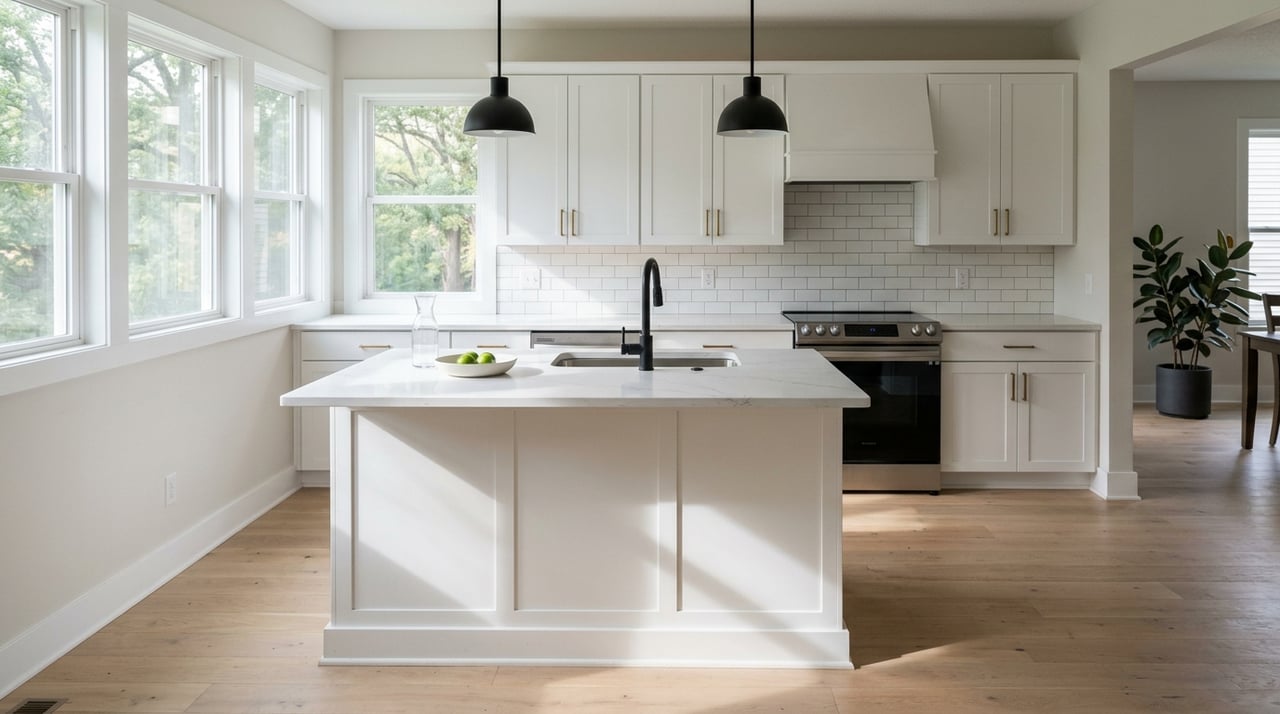
Many new construction and infill homes in Sunnyside share a similar contemporary style. Based on current listings, common features include:
- Open floor plans
- Quartz counters
- Stainless steel appliances
- Engineered hardwood floors
- Rooftop decks
- 10-foot ceilings
- Private porches
- In-unit laundry
- Bike storage
- Energy-efficient features
These homes often appeal to buyers who want turnkey living and modern layouts. At the same time, the conservation overlays are intended to keep some neighborhood-scaled details in place, especially around porches, roof heights, and overall massing.
How pricing compares
Sunnyside’s new-construction market is active, but still relatively small. According to Redfin’s Sunnyside housing market data, the median sale price in Sunnyside was $852,500 in February 2026, with homes selling in an average of 26 days. A separate new-construction snapshot from Realtor.com showed 5 active new-construction listings with a median list price of $725,000.
Those numbers are useful for general context, but they are not a direct apples-to-apples comparison because one reflects sold homes and the other reflects active listings. The real takeaway is that Sunnyside’s newer inventory exists, but it is limited and varied.
Price per square foot varies more than you might think
One of the most important things to know is that age alone does not determine value in Sunnyside. Lot size, renovation quality, parking, and whether a home is attached or detached can all shift pricing quite a bit.
The research examples show that overlap clearly. The 1923 W Elk Place townhome came in around $485 per square foot, while the 4121 Tejon townhome was about $427 per square foot. The newer detached home on West 42nd was about $396 per square foot.
Older homes also span a wide range. Examples in the research included a 1943 home at 4461 Elm Court listed at $549,900, a 1943 home at 4645 Vallejo listed at $625,000, and a 1921 home at 3034 W Denver Place listed at $850,000. Some older homes priced lower per square foot, while smaller homes on good lots or with strong updates could still command high per-square-foot numbers.
New construction pros for buyers
For many buyers, the biggest benefit of a newer home is simplicity. You may get newer systems, less immediate maintenance, and finishes that need little or no updating.
A newer home can also match the way you live today. Open layouts, in-unit laundry, bike storage, and outdoor spaces like rooftop decks can feel more functional if you want low-maintenance living in a fairly walkable neighborhood. Redfin classifies Sunnyside as having a Walk Score of 77, which may matter if you value being able to get around without always driving.
Tradeoffs to watch closely
Newer does not always mean easier in every category. Sunnyside buyers should pay close attention to parking, HOA structure, and how well a home fits their day-to-day needs.
Parking is project-specific
Parking can vary a lot from one property to the next. Denver removed minimum vehicle parking requirements for new buildings and changes to existing buildings starting August 11, 2025, according to the city’s parking modernization update.
That means you cannot assume a new home will include a garage or even a dedicated space. In current Sunnyside examples, some homes have one off-street space, some have attached garages, and others may offer less parking than buyers expect.
HOA setups are not one-size-fits-all
Some newer homes in Sunnyside have monthly HOA dues, but others do not. Even homes marketed as no-HOA may still be governed by a party-wall agreement that outlines responsibilities for shared items like water, snow removal, or landscaping.
That is why the paperwork matters. If you are comparing two similar-looking homes, make sure you understand what is actually covered, what is shared, and what future costs could look like.
Neighborhood fit still matters
A newer townhome can be a great choice if you want a lock-and-leave lifestyle and modern finishes. But it may be a mismatch if you want a larger yard, traditional brick charm, or a quieter street feel.
Community feedback in the Near Northwest Area Plan also flagged concerns about traffic, parking, and projects that feel out of scale. That does not mean new construction is bad. It means your best choice depends on what you value most.
How to evaluate a new or infill home
If you are seriously considering new construction in Sunnyside, use a simple checklist as you tour homes:
- Compare attached versus detached options based on your budget
- Verify parking instead of assuming it is included
- Review HOA documents or party-wall agreements carefully
- Ask about warranties and energy-efficient features
- Look at how the home sits on the lot and fits the block
- Compare price per square foot, but also compare function
- Pay attention to storage, outdoor space, and daily livability
This is where a calm, local read on the market can make a big difference. A flashy finish package may catch your eye, but the better question is whether the home works for your routine, budget, and long-term plans.
Is a newer Sunnyside home right for you?
If you want modern design, lower maintenance, and a home that feels move-in ready, a newer or infill property in Sunnyside may be a strong fit. You will likely find the best selection in attached housing, with occasional detached options at higher price points.
If you are torn between old and new, you do not have to force the answer. In Sunnyside, the smartest move is usually to compare homes based on layout, location, parking, build quality, and overall fit, not just year built. That kind of side-by-side analysis can help you avoid overpaying for features that look great online but do not improve your everyday life.
If you want help comparing new construction, older homes, or infill opportunities in Sunnyside, Joaquin Avila can guide you through the numbers, the paperwork, and the neighborhood details so you can make a confident decision.
FAQs
What is new construction in Sunnyside, Denver?
- In Sunnyside, new construction usually means infill development such as townhomes, duplexes, condos, or custom detached homes built on individual lots rather than in a large new subdivision.
Where are infill homes most common in Sunnyside, Denver?
- Planning documents and recent listings suggest infill is often found along older street corridors and on scattered neighborhood streets, including areas near West 44th Avenue and streets such as Tejon, Elk, Jason, and West 42nd.
Are most new homes in Sunnyside detached houses?
- No. Most newer homes in Sunnyside are attached housing, including townhomes, duplexes, and small condo buildings, while detached new builds are less common and often priced higher.
How much do new construction homes cost in Sunnyside, Denver?
- Pricing varies by property type and size, but the research showed active new-construction listings with a median list price of $725,000, while individual examples ranged from about $499,500 for a townhome to more than $1 million for detached infill homes.
Do new Sunnyside homes always have parking?
- No. Parking is project-specific, and newer homes can range from no dedicated parking to one off-street space or a full garage setup.
Do Sunnyside new builds always have an HOA?
- No. Some newer homes have HOAs, while others use party-wall agreements instead, so you should review the governing documents for each property carefully.
Are older homes always cheaper than new homes in Sunnyside?
- Not always. In Sunnyside, pricing depends on more than age, including lot size, updates, parking, square footage, and whether the home is attached or detached.